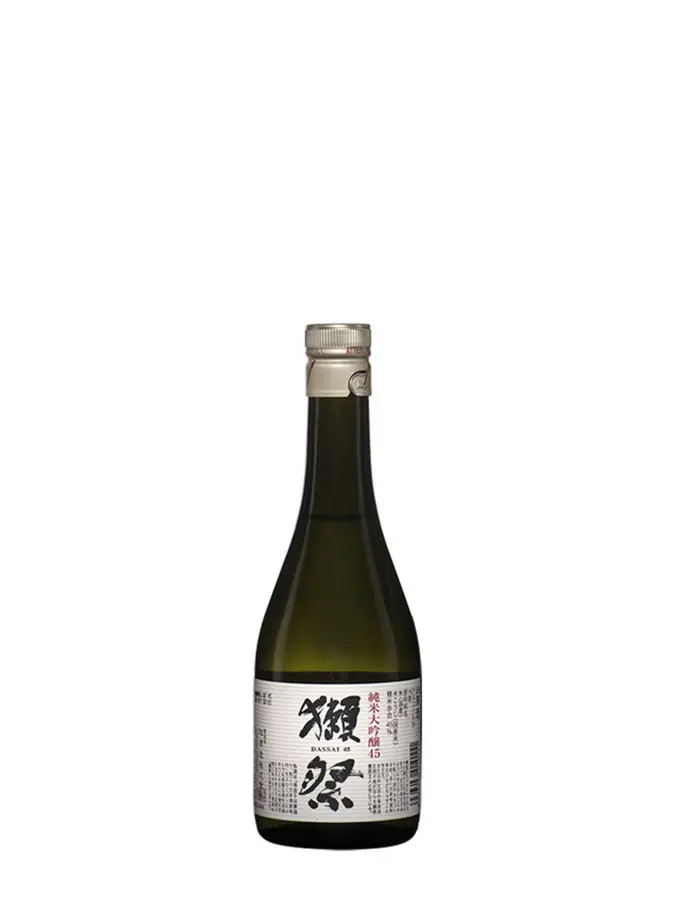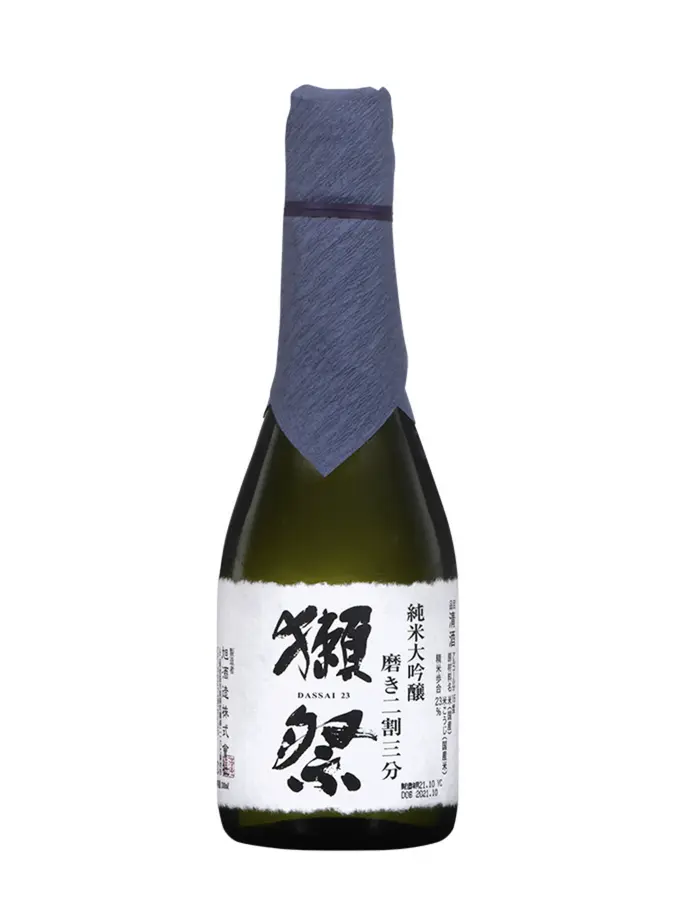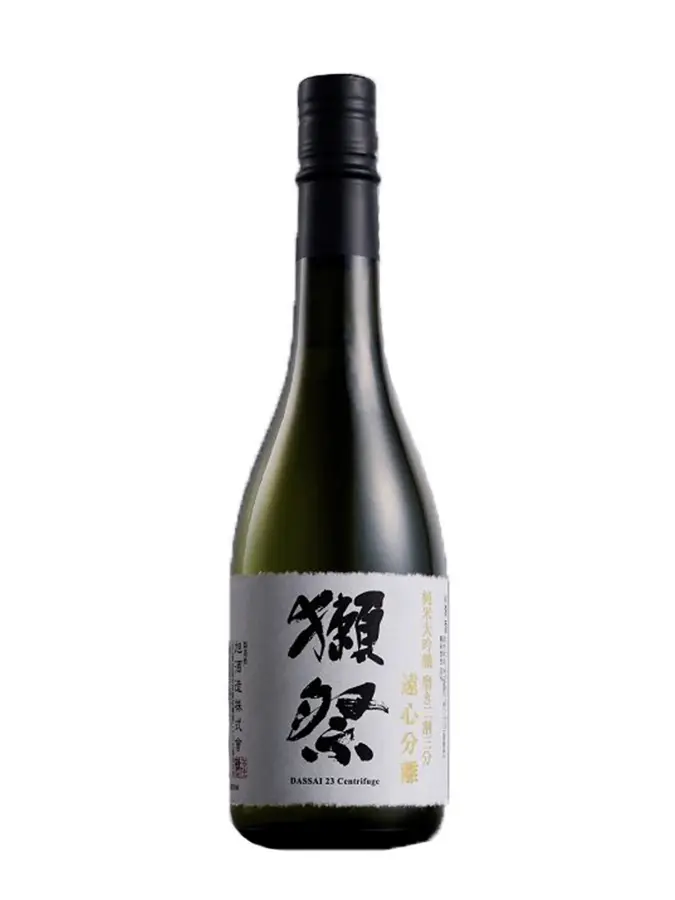
DASSAI 23 Centrifuge 16%
199.00 €
Published on February 18, 2026
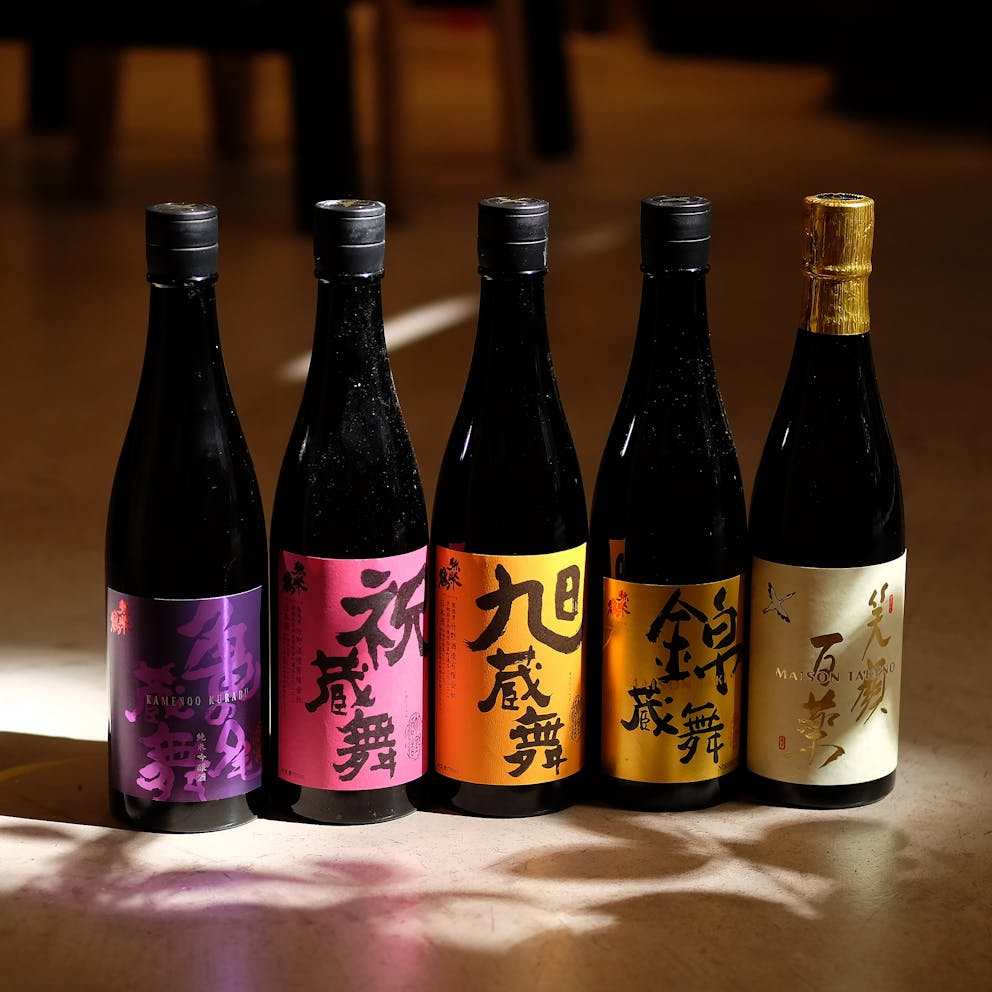
Modern Sake: A Technical and Precise Approach
Modern sake relies on highly polished rice and masterfully controlled fermentation. The use of specially selected yeasts results in a clean and fruity aromatic profile.
16 January 2026
A Mastered Approach
Modern sake prioritizes technical precision at every stage.
While Japanese sake is rooted in a thousand-year tradition, a category known as "Modern Sake" is rewriting the rules today. Inspired by oenology and driven by a quest for absolute freshness, modern sake moves away from rustic, cereal-forward profiles to explore a vivid, floral, and resolutely
contemporary aromatic universe. This style is not a break from the past, but a technical evolution that refines key production stages to captivate a global palate.
"Modern sake develops delicate notes of white fruits, citrus, and flowers. Low-temperature fermentation preserves these aromas while creating a lighter, more refined structure."
Rice Polishing
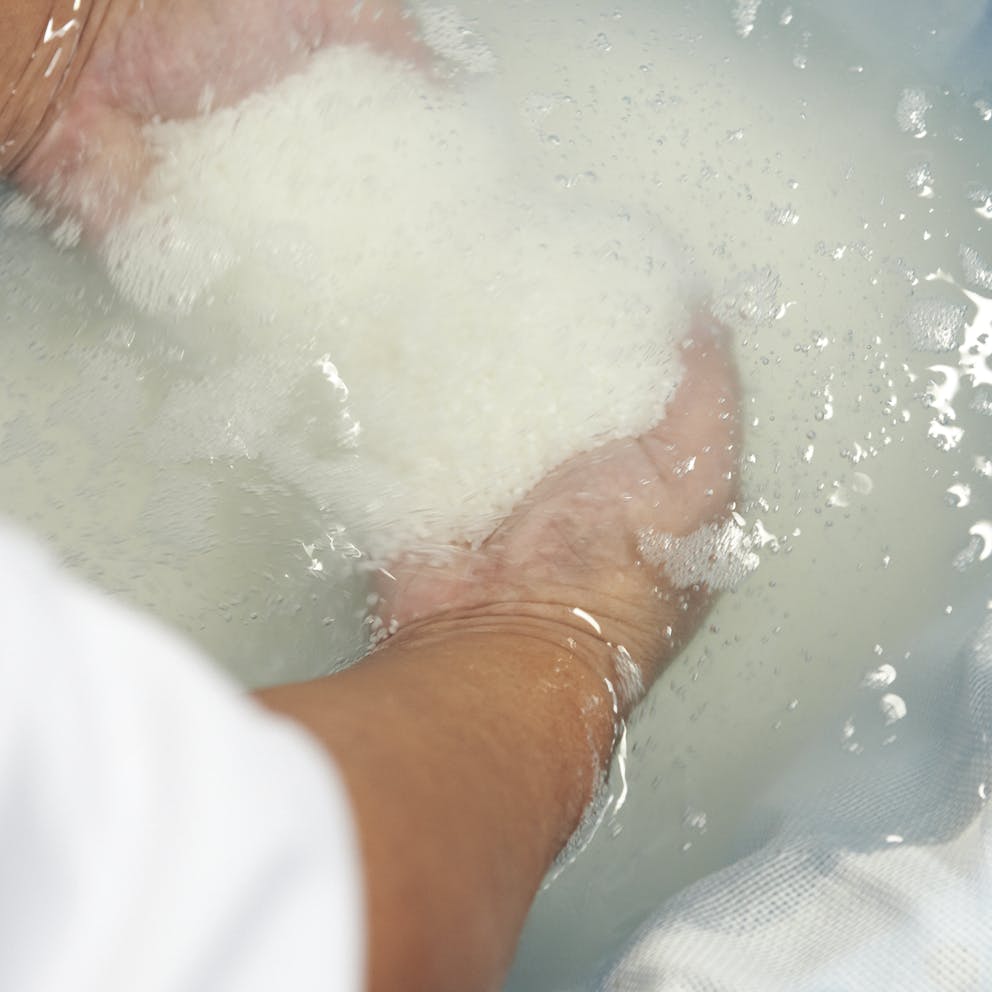
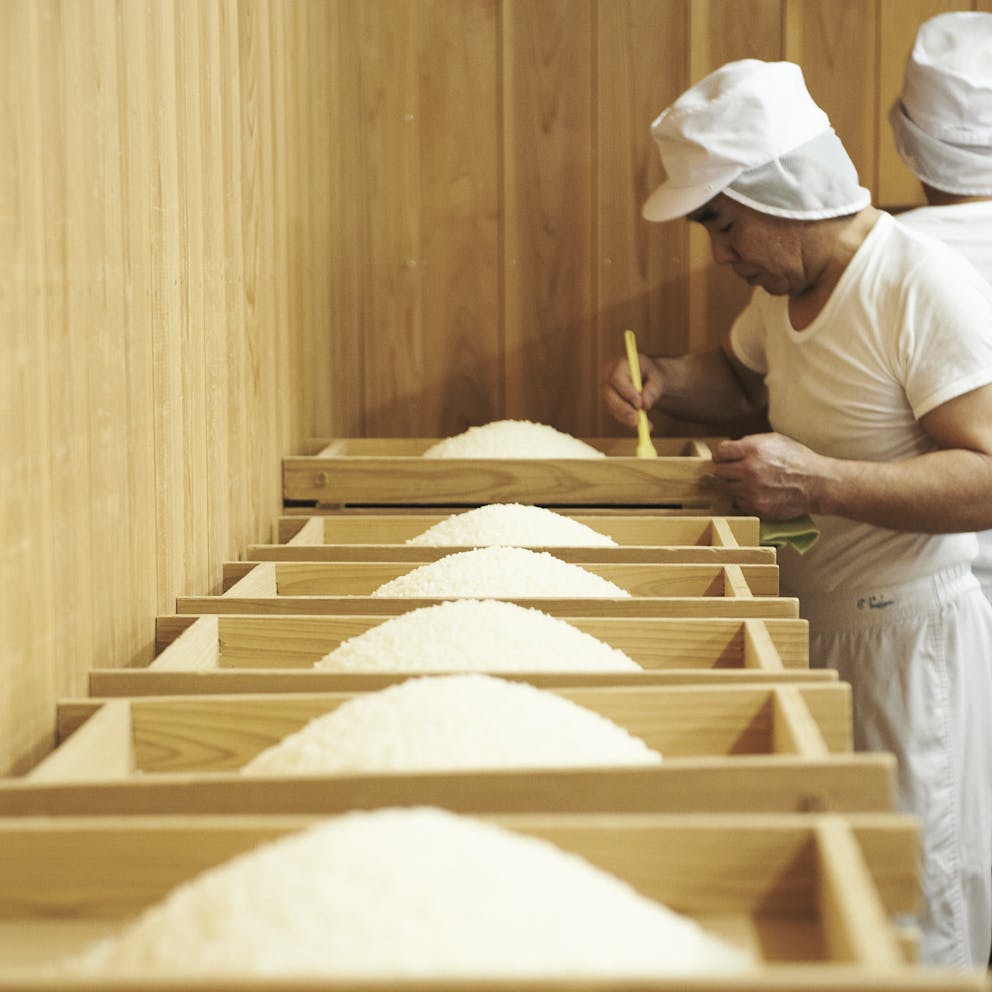
The polishing ratio determines the purity of modern sake. The more the rice is polished, the more precise and delicate the aromatic profile becomes.
16 January 2026
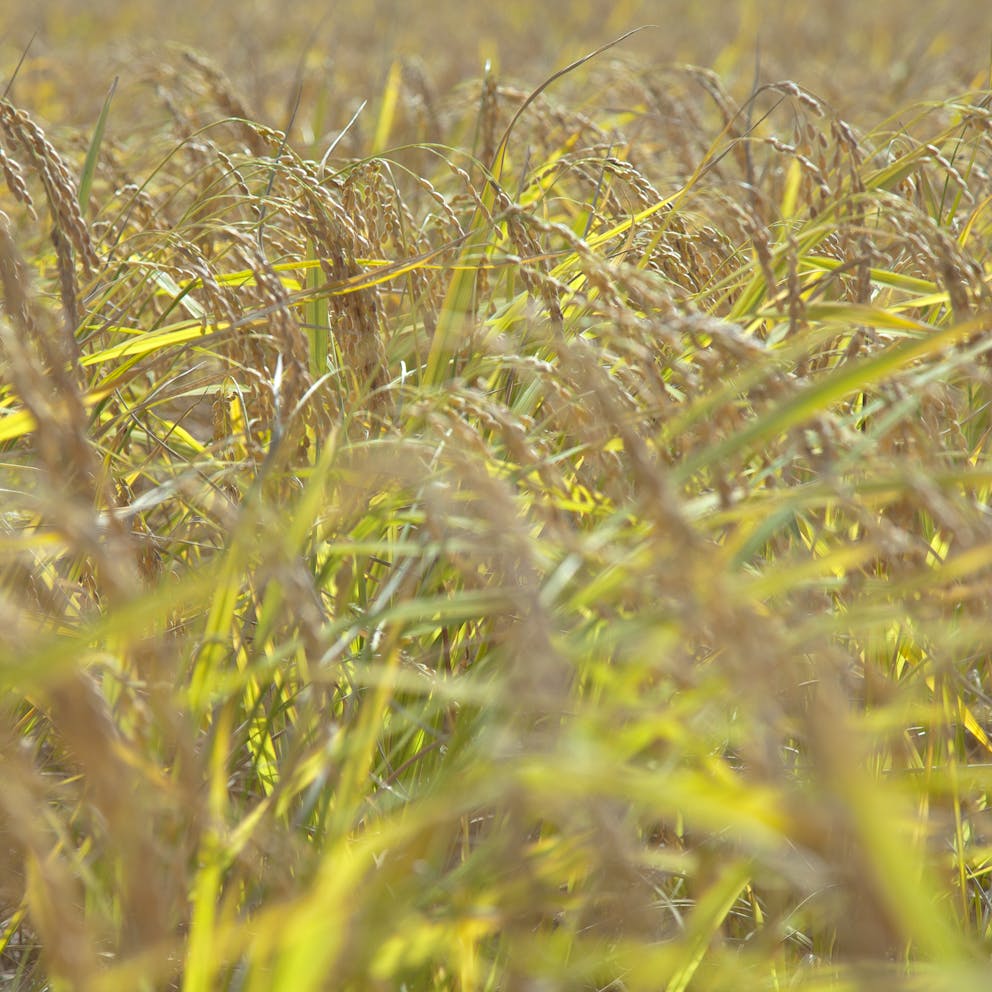
In the modern category, the choice of rice and the degree of polishing are crucial. While traditional styles seek the umami of the grain, modern sake often favors noble varieties such as Yamada Nishiki.
The Seimaibuai (polishing ratio) is typically very high—reaching Ginjo or Daiginjo levels. By drastically removing the outer layers of the rice, the brewer eliminates lipids and proteins to preserve only the pure starch heart. The result? A sake of crystalline finesse, free from all bitterness, serving as a blank canvas for vibrant fruit aromas.
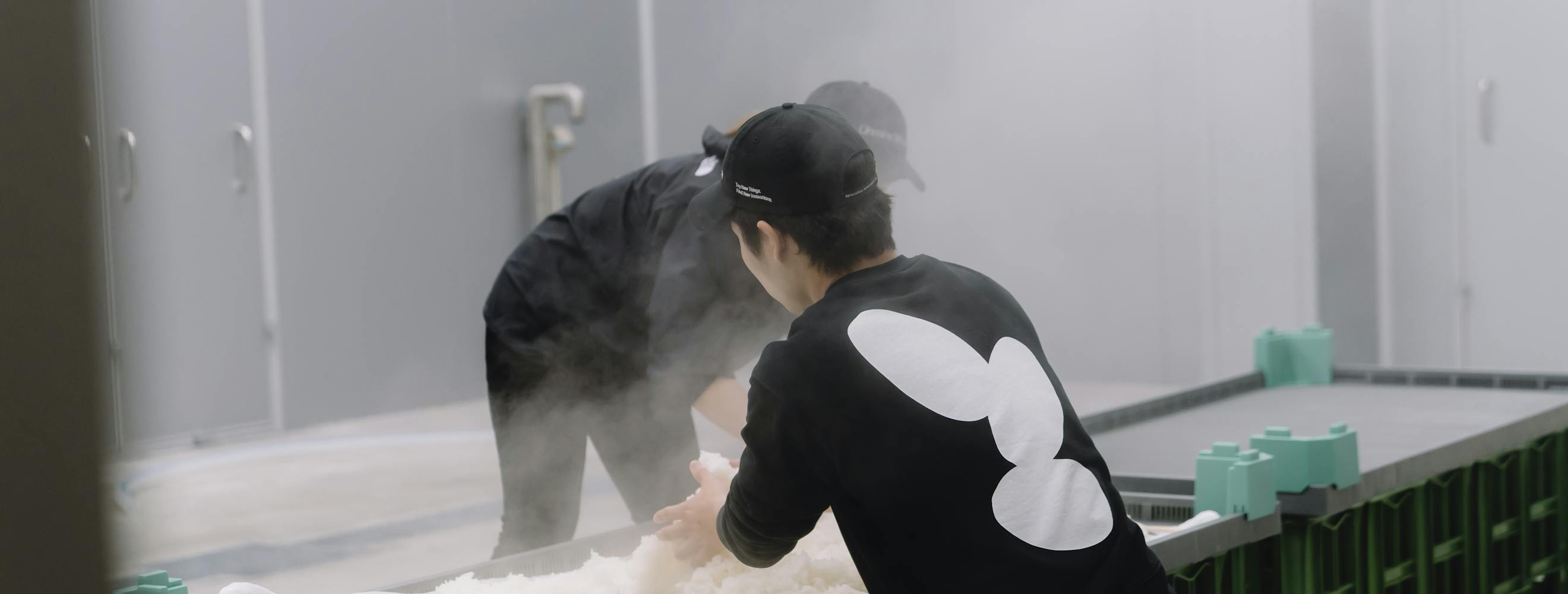
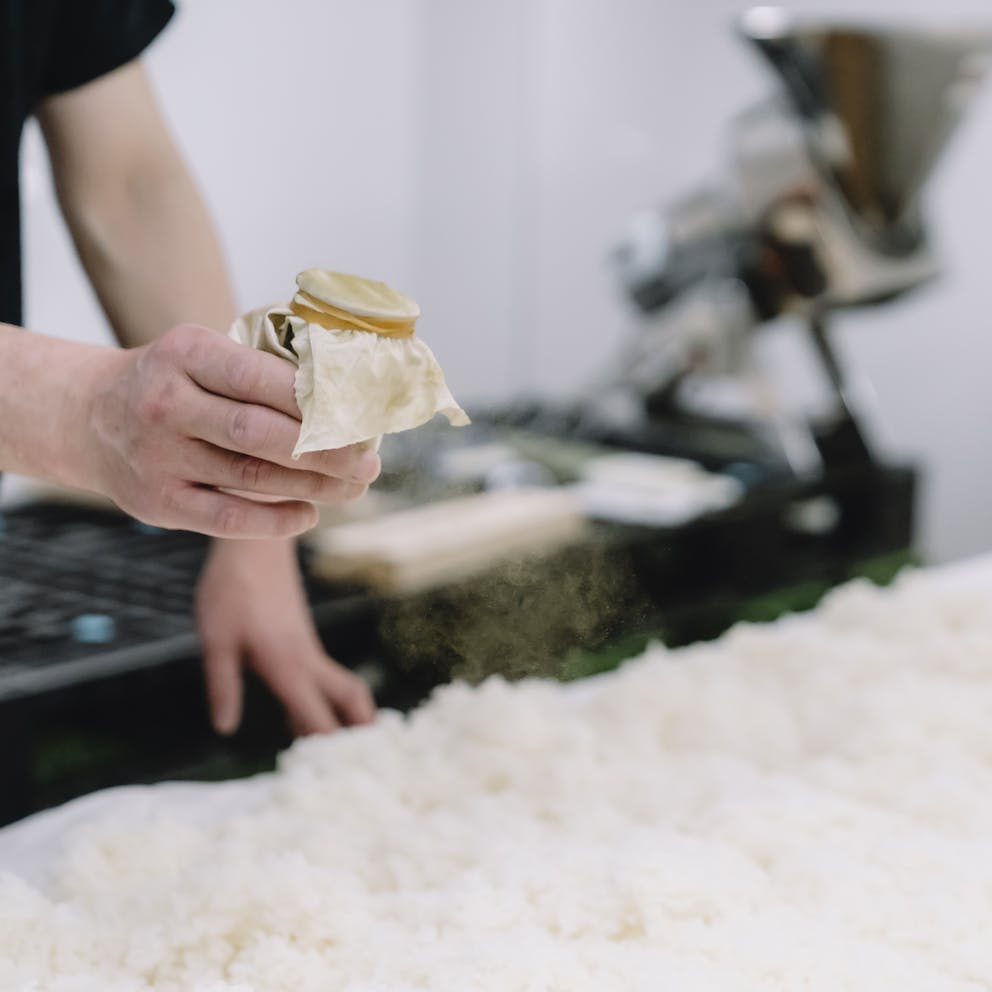
The technical pillar of modern sake is the Sokujo-moto method. Unlike ancestral methods (Kimoto), which wait for natural lactic acid bacteria to develop, the "modern" brewer directly adds high-purity lactic acid to the starter.
The brilliance of modern sake is owed to the pivotal role of selected yeasts (such as Strain No. 7, No. 9, or specialized floral yeasts).
During the process of multiple parallel fermentation, these yeasts are pushed to their limits by exceptionally low temperatures (slow cold fermentation). Under this controlled stress, they produce an extraordinary amount of aromatic esters. These are the molecules that grant modern sake its enchanting notes of green apple, Williams pear, Cavaillon melon, or white flowers—at times reminiscent of the profile of a great aromatic white wine.
Historically, sake has been a low-acidity beverage. The modern style, however, plays with new balances. Contemporary brewers seek a more vibrant acidity to counterbalance the natural sweetness of the rice.
This lively structure enhances "drinkability" and provides a freshness that allows sake to step beyond the world of sushi—pairing beautifully with fusion cuisine, ceviches, or dishes seasoned with fresh herbs.
The modern process doesn't end at the vat. To preserve this signature vivacity, these sakes often undergo minimal pasteurization (Nama-chozo) or are bottled under pressure to retain a slight, residual effervescence.
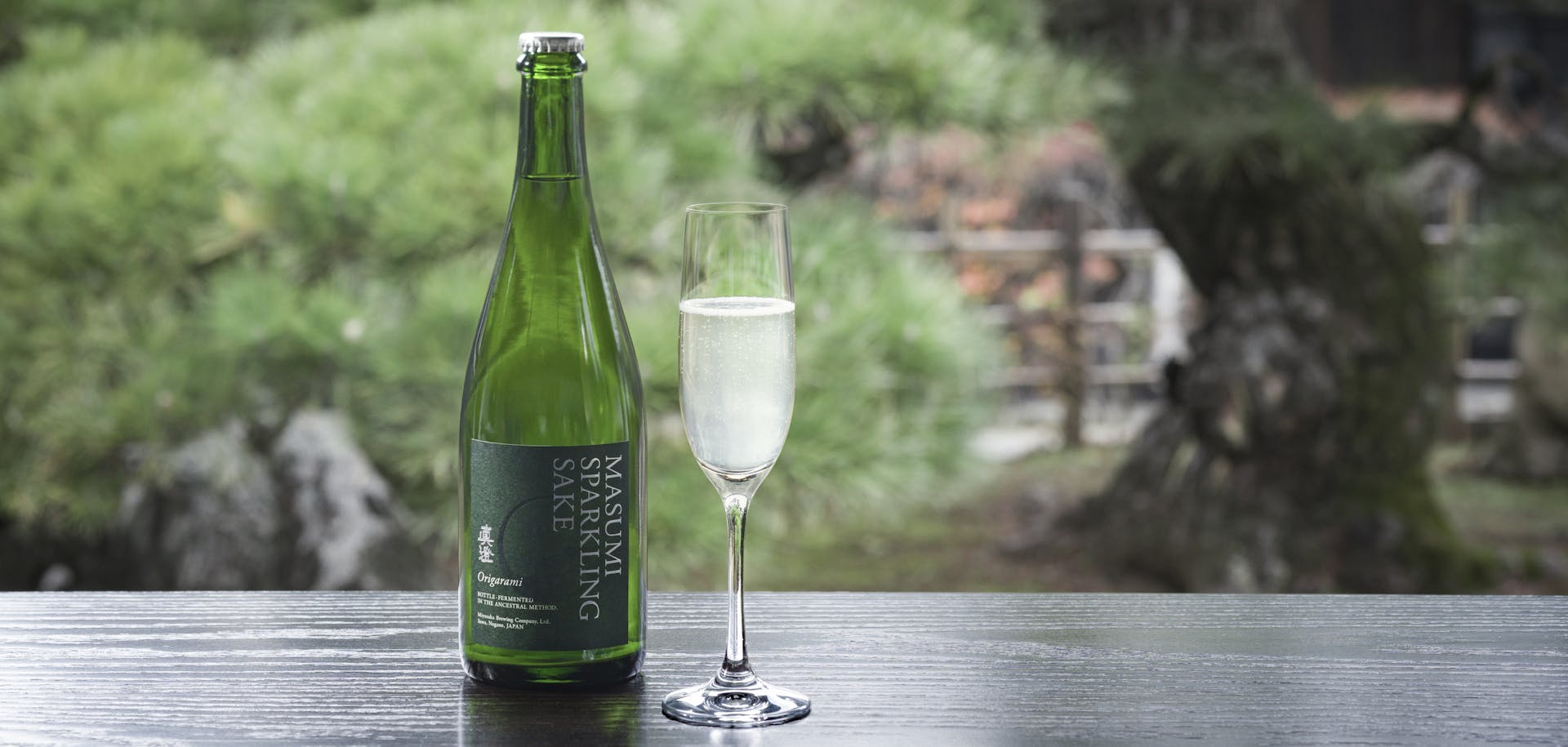
Unlike traditional "Rice-forward" sake, which flourishes when served warm, modern sake is best enjoyed chilled (8–10°C)—ideally in a wine glass to allow its complex bouquet to fully bloom.
“The choice of seimaibuai and yeast strains directly influences the aromatic profile of modern sake.”
The aromatic profile of a modern sake is a true sensory explosion. Moving away from notes of steamed rice, it explores the vibrant realm of esters, primarily featuring two fragrance families:
The Ginjo-ka Spectrum: Dominated by isoamyl acetate, it evokes ripe banana and Galia melon.
The Fresh Fruity Spectrum: Driven by ethyl caproate, it unfolds notes of Granny Smith apple, ripe pear, pineapple, and occasionally wild strawberry.
Beyond the fruit, these sakes are distinguished by an airy floral dimension (lily, jasmine, orange blossom) and a mouthfeel often characterized by "gasu-kan." This slight residual effervescence from fermentation brings a pearl-like, dynamic sensation to the palate.
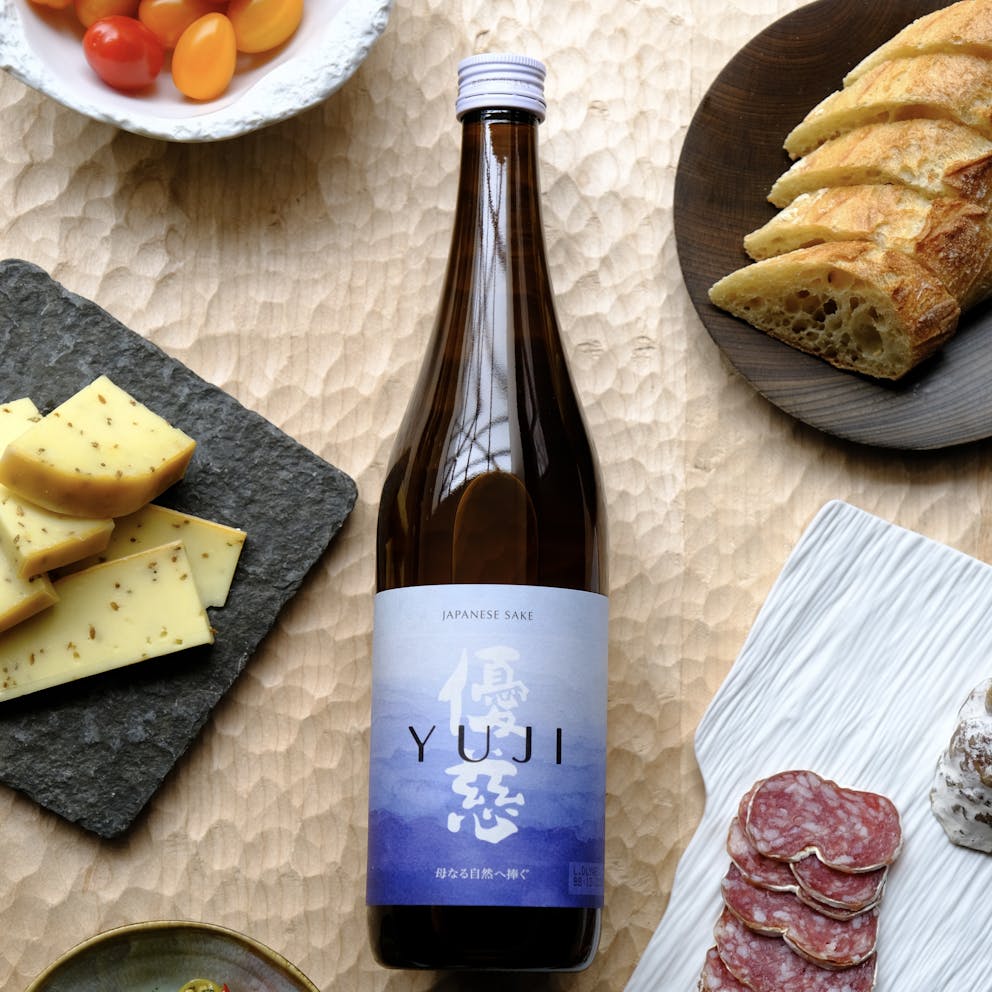
Thanks to its vibrant structure and expressive bouquet, modern sake transcends Japanese borders to find a place at the most daring Western tables. Its crystalline freshness makes it the ideal companion for raw seafood: sea scallop tartare with lime, sea bass ceviche, or sea bream carpaccio.
But its versatility doesn't stop there. Its subtle sweetness and white fruit notes create breathtaking pairings with blue-veined cheeses (such as a light Gorgonzola) or fresh herbed goat cheese.
Finally, for fans of fusion cuisine, it elevates dishes with tangy or lightly spiced flavors—such as green papaya salad or Thai cuisine fragrant with cilantro. In these pairings, the sake’s acidity cuts through the spices and cleanses the palate after every bite.




Available soon