Traditional Sake
Published on February 18, 2026

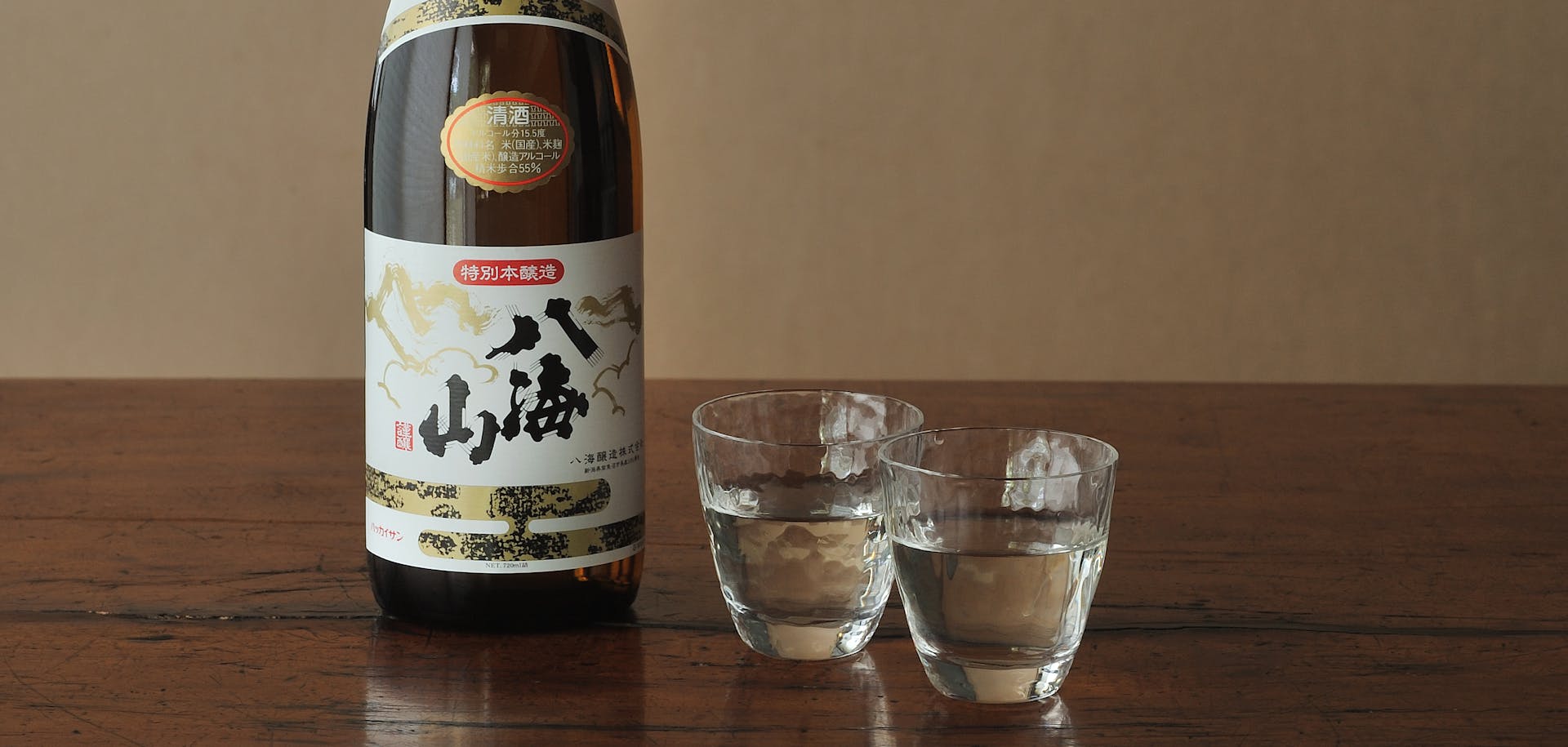

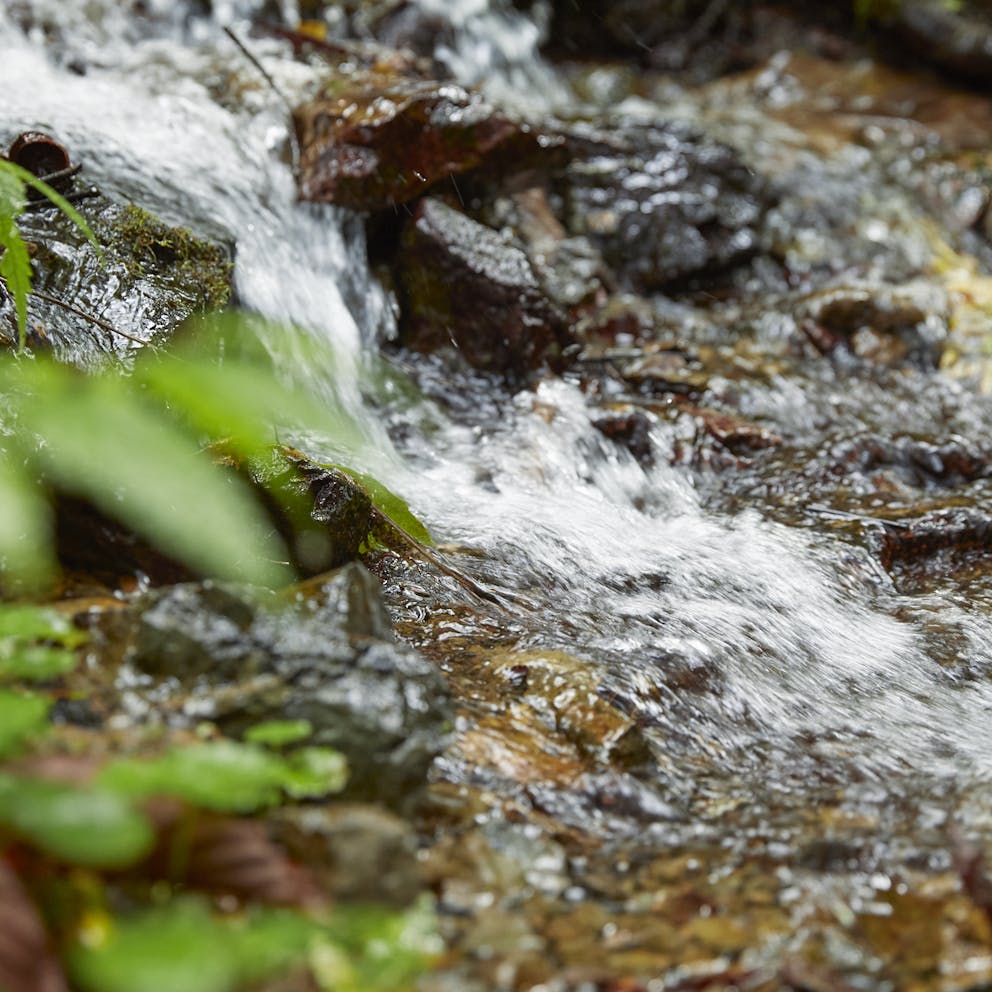
Two Styles: Water and Rice
In traditional sake, the distinction between "Rice" and "Water" styles is defined by the degree of polishing, the variety of rice used, and the mineral profile of the water.
Service and Temperature
Service and temperature directly influence how a traditional sake is perceived.
Traditional Sake: The Soul of Terroir and Grain
While the sake world is experiencing a "modern" revolution focused on fruit and brilliance, the beating heart of Japanese culture remains in its traditional styles. Here, the goal is not to transform sake into an aromatic wine, but to celebrate its two fundamental pillars: rice and water.
Historically, two distinct approaches emerge: the "Rice" style—generous and nourishing—and the "Water" style—pure and sharp. Here is how Japanese craftsmanship shapes these two faces of tradition.
“Traditional sake is the result of precise craftsmanship passed down through generations.”
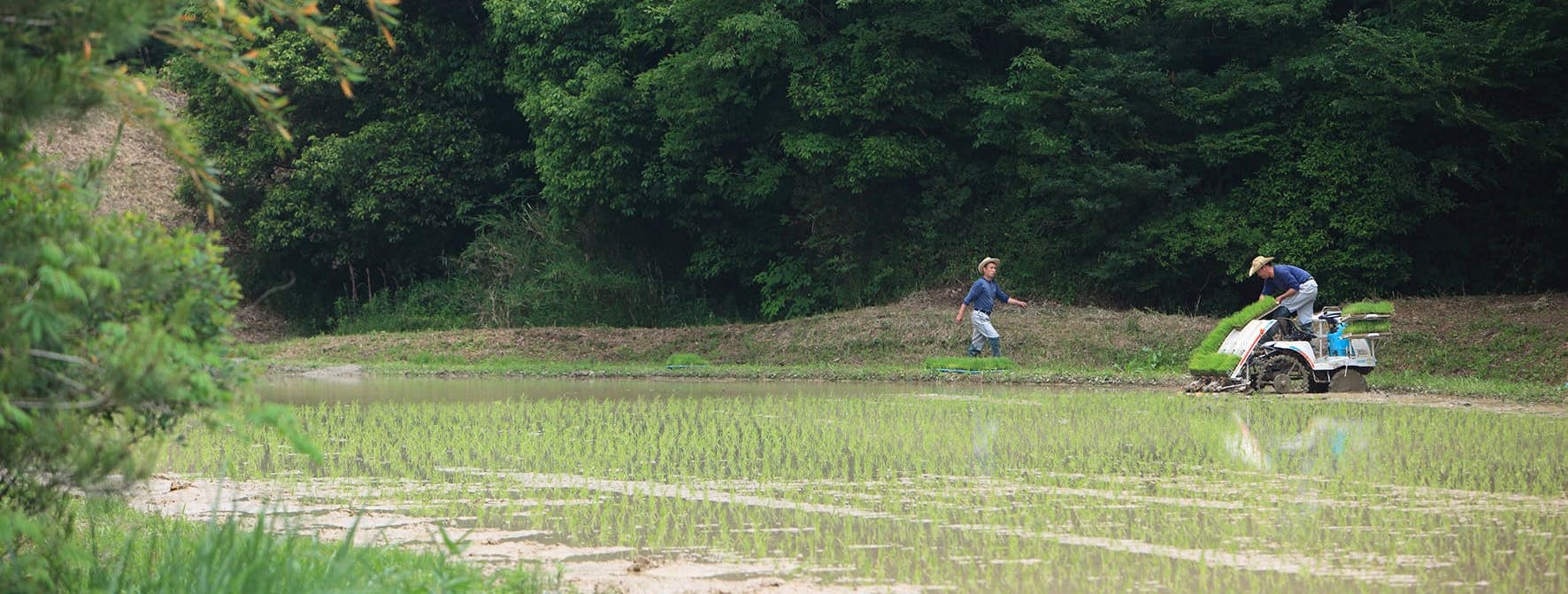
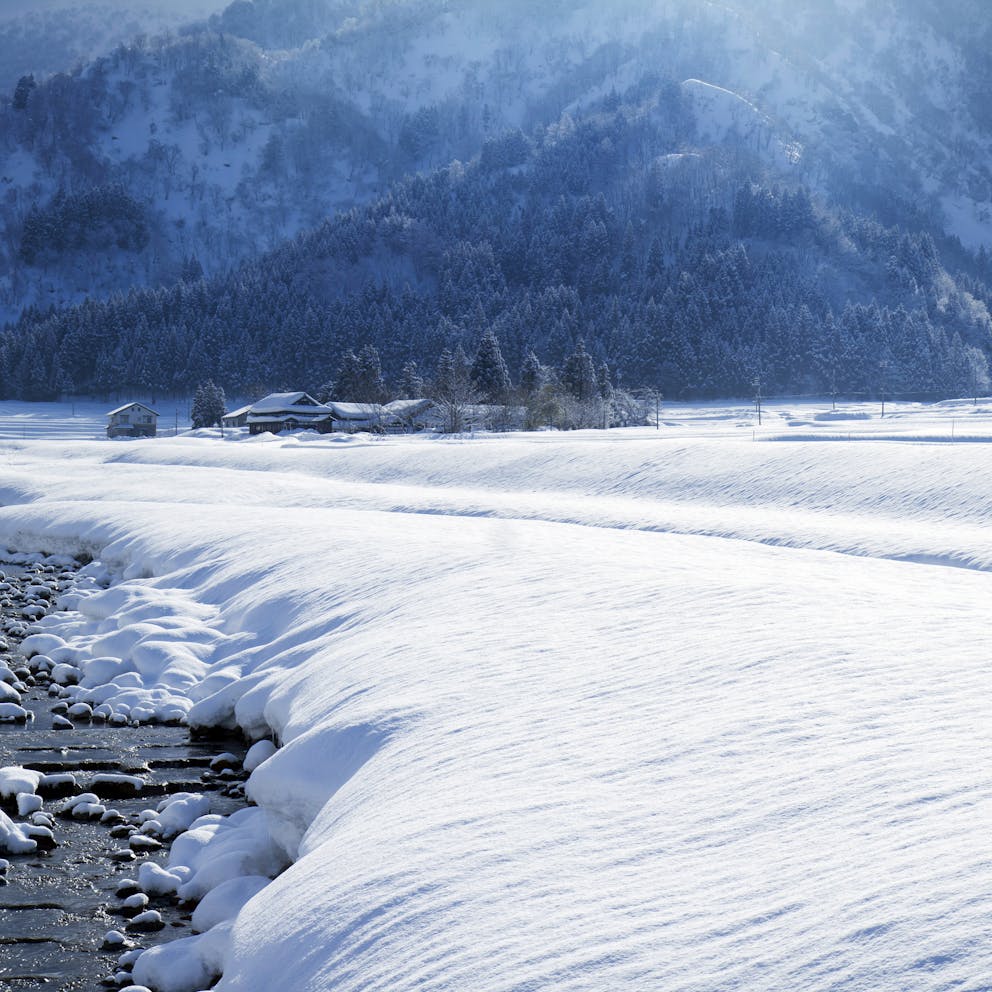
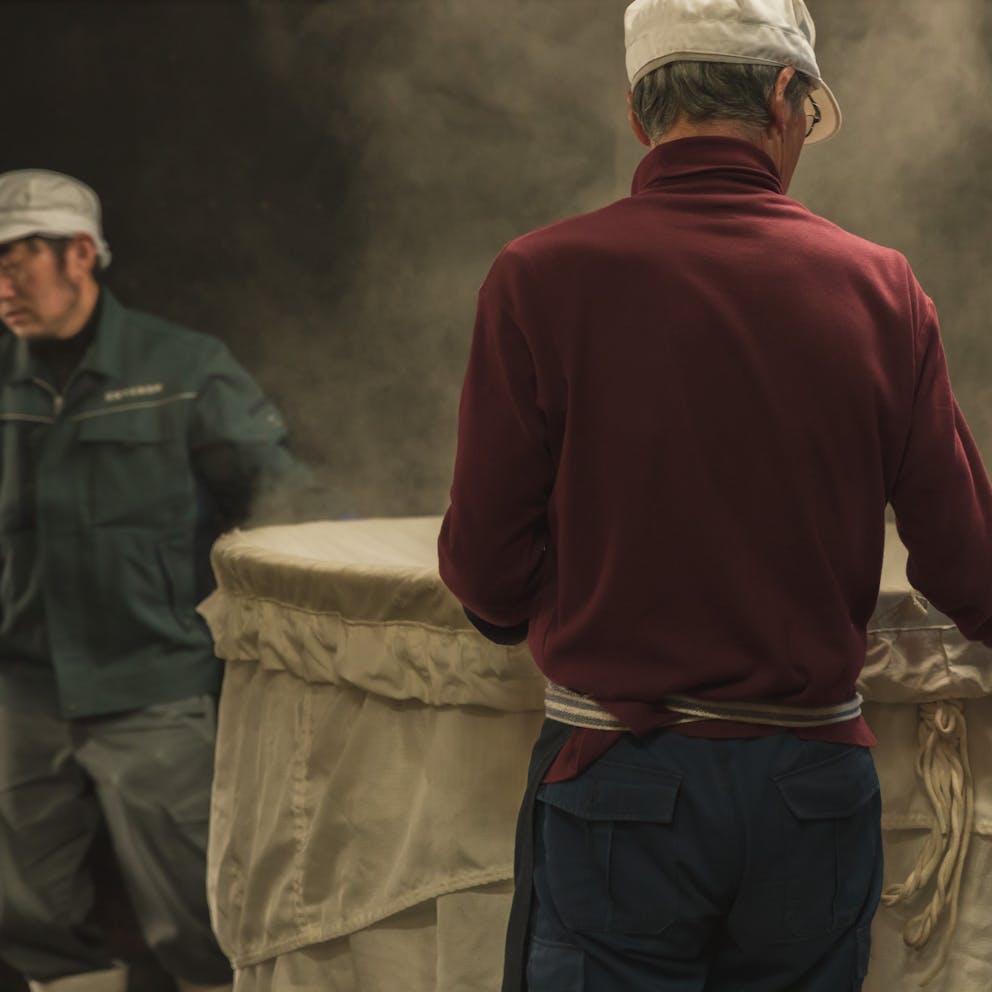
The Brewer’s Craft
The production of traditional sake relies on a succession of precise technical steps, where every decision impacts the final balance of the product.
1. Rice: Choosing the Material and the "Variety"
In the traditional world, rice is far more than a simple base: it is an interpreter of the terroir. Specific varieties are used, known as Shuzō Kōtekimai (Sake-specific rice).
For the "Rice" Style :
A moderate polishing ratio is preferred (often 60% to 70%). By retaining a portion of the outer layers, the amino acids that create umami are preserved. Varieties such as Omachi—ancestral and earthy—or the renowned Yamada Nishiki are often chosen for their remarkable depth.
For the "Water" Style :
The goal is to purify the grain as much as possible to ensure the texture remains light and ethereal. The Gohyakumangoku variety is the undisputed queen here, celebrated for producing sake that is crisp, light, and exceptionally pure.
"Traditional sake prioritizes structure and body over aromatic intensity. Its identity is primarily shaped by the choice of rice, the quality of the water, and the specific method of fermentation."
2. Kōji: The Architect of Texture
The role of kōji (rice inoculated with Aspergillus oryzae) is the secret behind the sake's structure on the palate:
The "Rice" Method (Sōhaze):
The brewer allows the kōji to penetrate deep into the heart of the grain. This creates vigorous enzymes that transform proteins into savory richness, giving the sake a dense, almost oily body.
The "Water" Method (Tsukihaze):
The kōji is cultivated more "discreetly," appearing only as small spots on the grain. This limits the production of amino acids to keep the liquid as fluid and clean as possible.
3. Water: The Geology of Taste
Water accounts for 80% of the final product. Its minerality dictates the fermentation speed and the overall character of the sake:
Soft Water (Onnamizu - "Lady's Water"):
Highly pure and low in minerals (as found in Kyoto or Niigata), it leads to a slow, gentle fermentation. This is the key to the "Water" style: silky, ethereal sakes that glide across the palate without resistance.
Hard Water (Miyamizu / Otokomizu - "Man's Water"):
Rich in phosphorus and magnesium (famous in Nada), it stimulates the yeast for a vigorous fermentation. It produces "Rice" style sakes: dry, robust, and well-structured.
4. Maturation: Time as a Sculptor
Unlike modern styles, which are best enjoyed young, traditional sake shares a fascinating relationship with time:
Harmonization:
Most traditional sakes are aged for six months to a year. This resting period allows the acidity to mellow and the alcohol to integrate seamlessly.
Aging (Koshu):
Some traditional sakes are aged for several years, evolving into what is known as Koshu. They develop an amber hue and complex notes of honey, dried fruits, or soy sauce, offering an experience reminiscent of a fine old Sherry.
“The balance between rice, water, and fermentation forms the very foundation of traditional Japanese sake.”
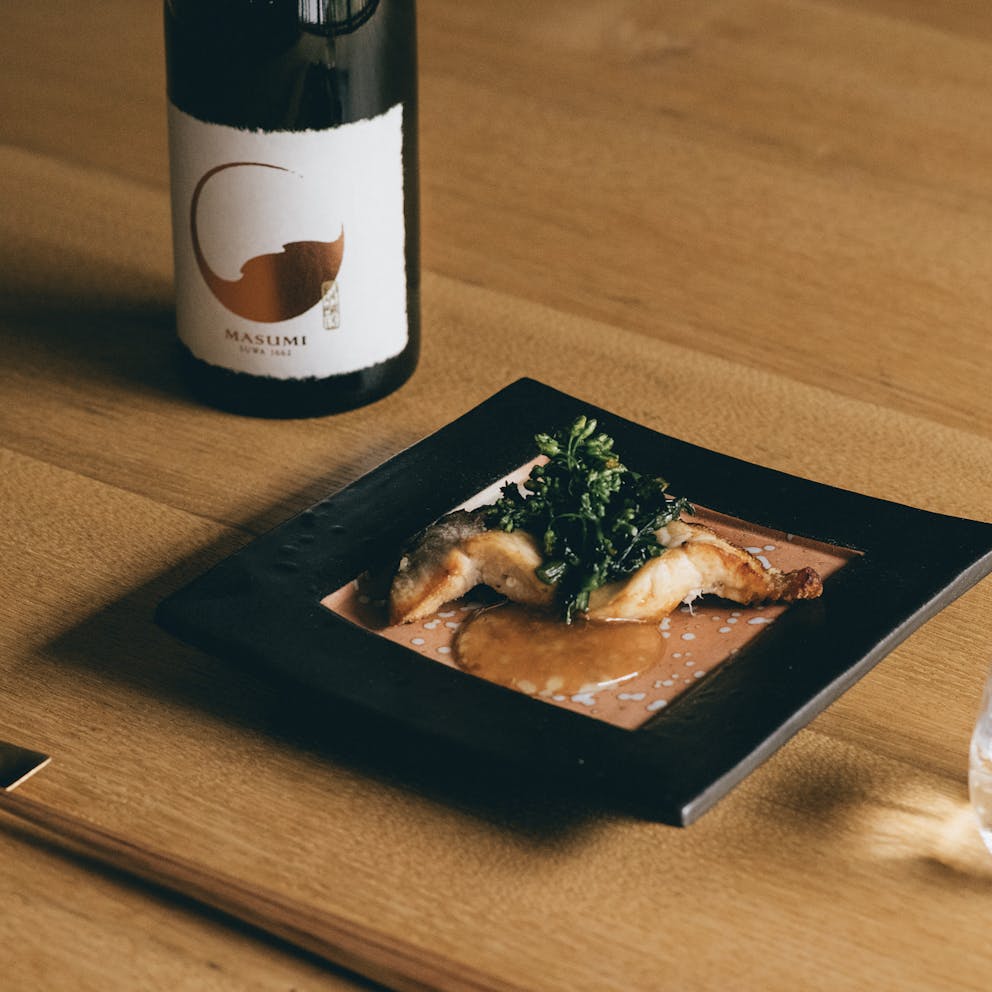
Flavor Profiles and Pairings
The Traditional "Rice" Style (Rich & Earthy)
- Profile: Aromas of steamed rice, toasted bread, hazelnut, and mushroom. It features a velvety texture and a powerful umami presence.
- Pairings: Grilled meats (yakitori), dishes with rich sauces, or aged cheeses (such as an old Comté).
- Temperature: Sublime when served warm or hot (40–50°C), which releases its natural sweetness.
The Traditional "Water" Style (Pure & Crystalline)
- Profile: Notes of wet stone, fresh snow, cucumber, or rice flower. It offers a sensation of absolute weightlessness.
- Pairings: White fish sashimi, light tempura, or oysters. It acts as a refined palate cleanser.
- Temperature: Best enjoyed chilled or at room temperature (12–15°C) to preserve its crisp, sharp edge.
You may also like
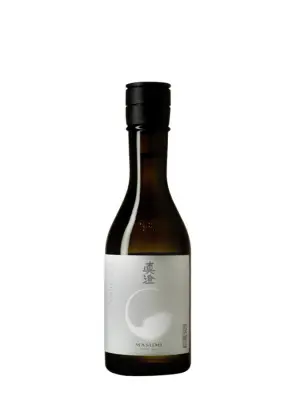
MASUMI SHIRO WHITE 12%
13.90 €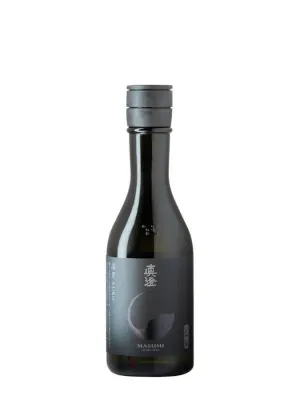
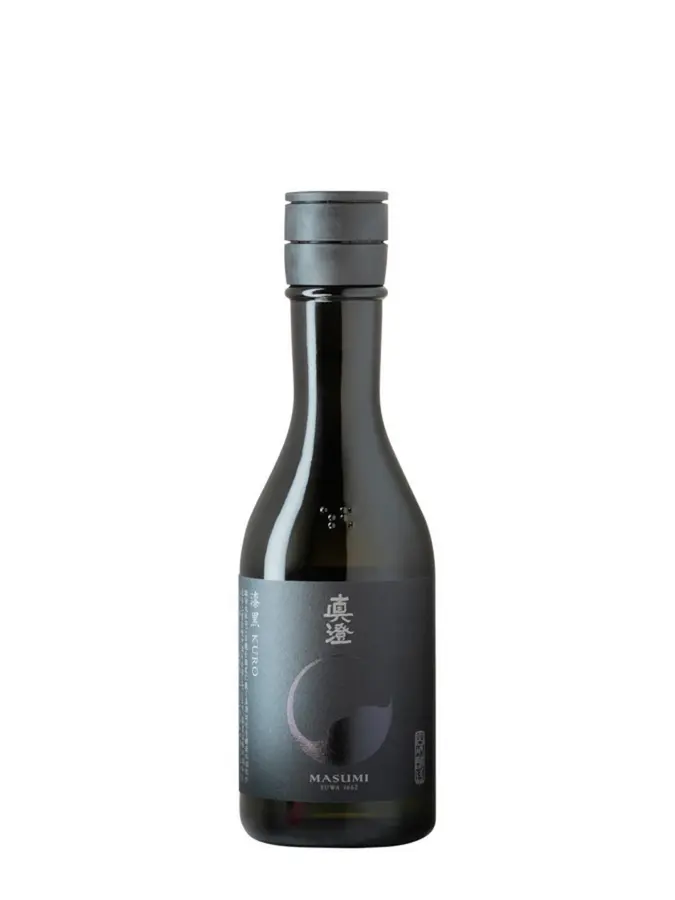
MASUMI KURO BLACK 15%
16.90 €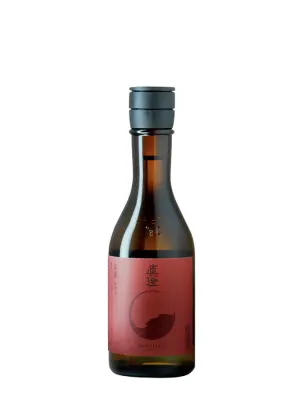
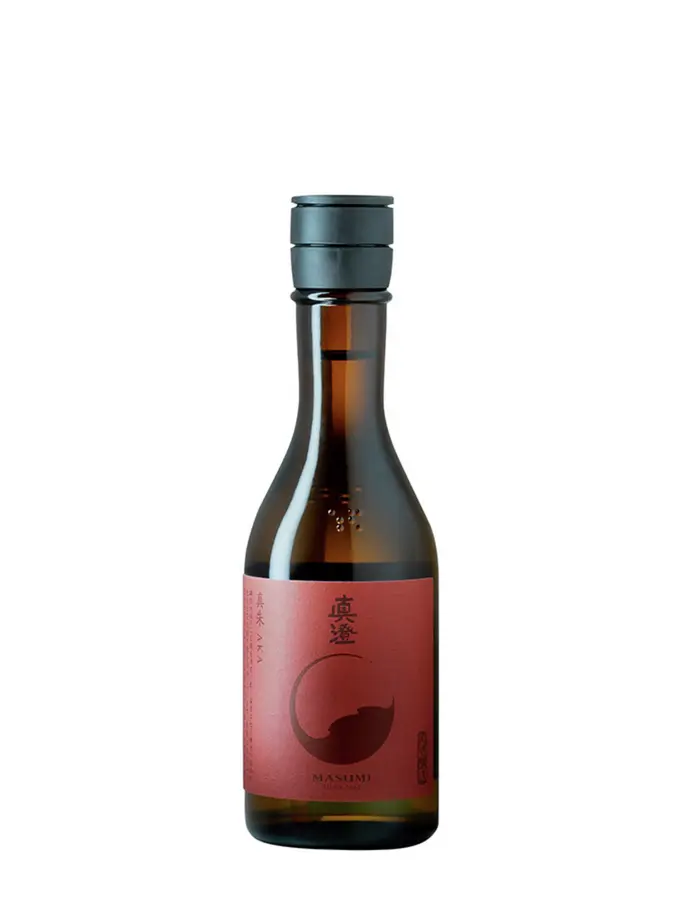
MASUMI AKA RED 15%
17.90 €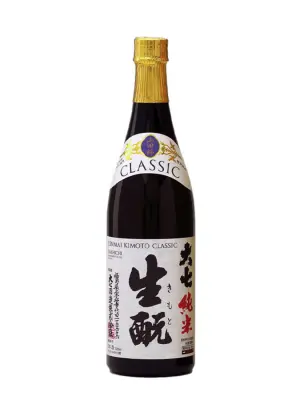
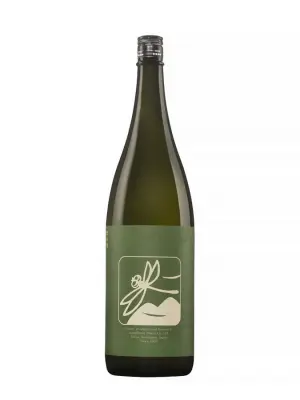
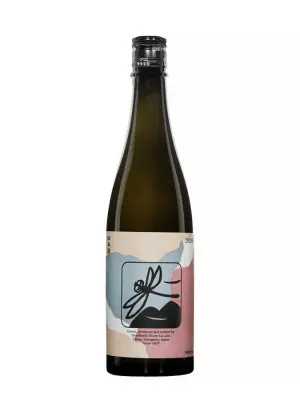
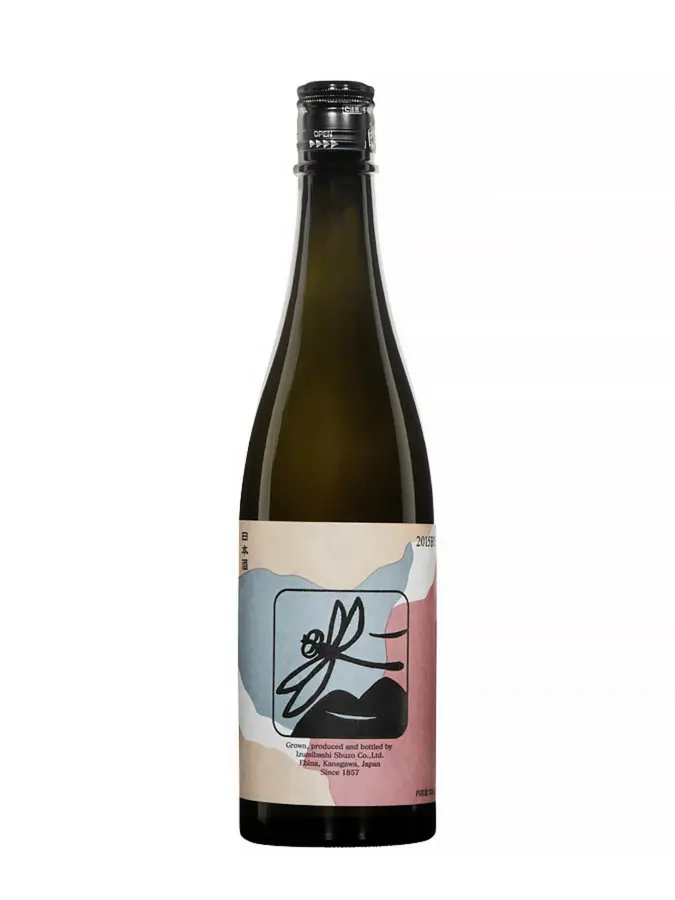
IZUMIBASHI Tonbo Green 15%
59.90 €