L'art de la dégustation
Published on February 18, 2026

An Expression in Motion
Sake’s balance is a living harmony that transforms with the choice of glass, the precision of temperature, and the alchemy of food.
Glassware, Temperature, Context
Three variables that redefine the sake experience.
A sensory journey into the world of sake
Tasting sake is more than just analyzing a liquid; it is a delicate choreography where the choice of glass, the precision of temperature, and the tempo of the service act like the tuning of a musical
instrument. Unlike other spirits, sake is a chameleon-like beverage, capable of radical transformation depending on how it is presented.
"Sake does not seek to confront the dish, but rather to achieve a fusion of flavors."
Designing the Pairing
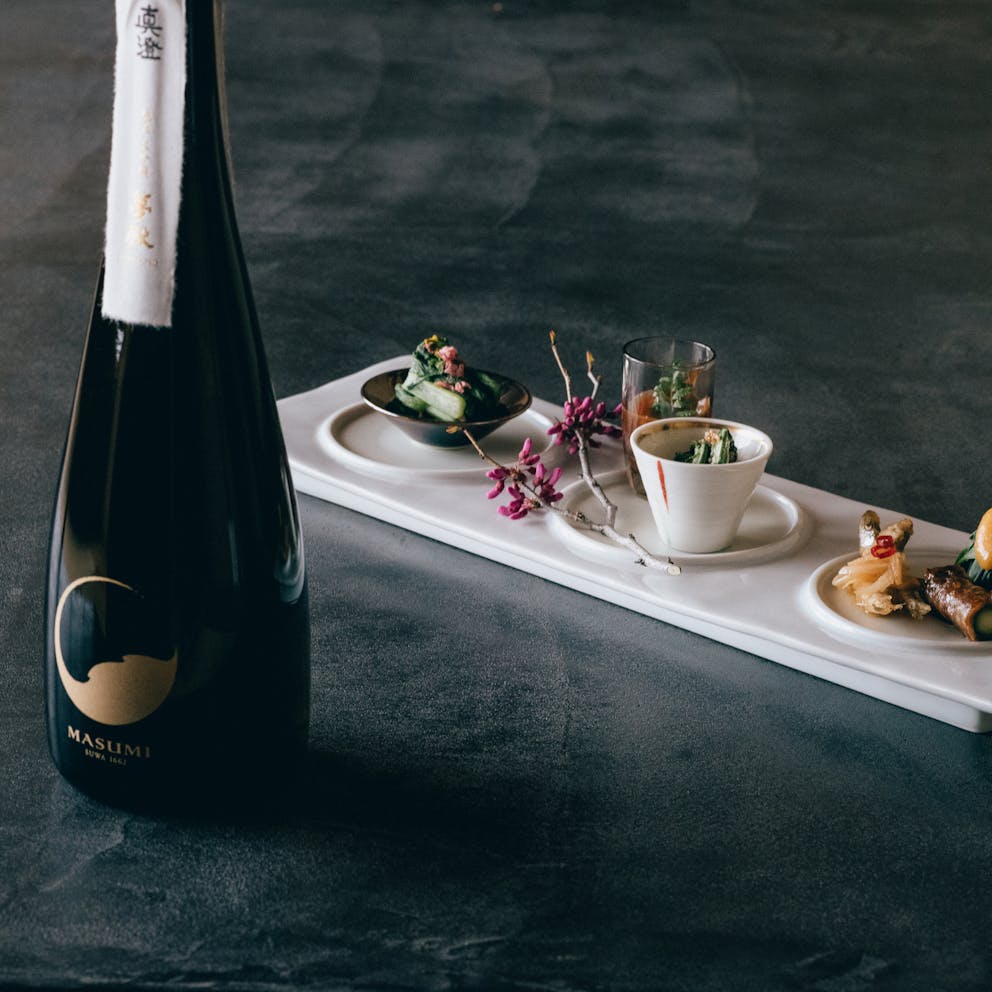
The choice of service can enhance, balance, or lighten a sake-food pairing.
The Case and the Instrument: Glassware
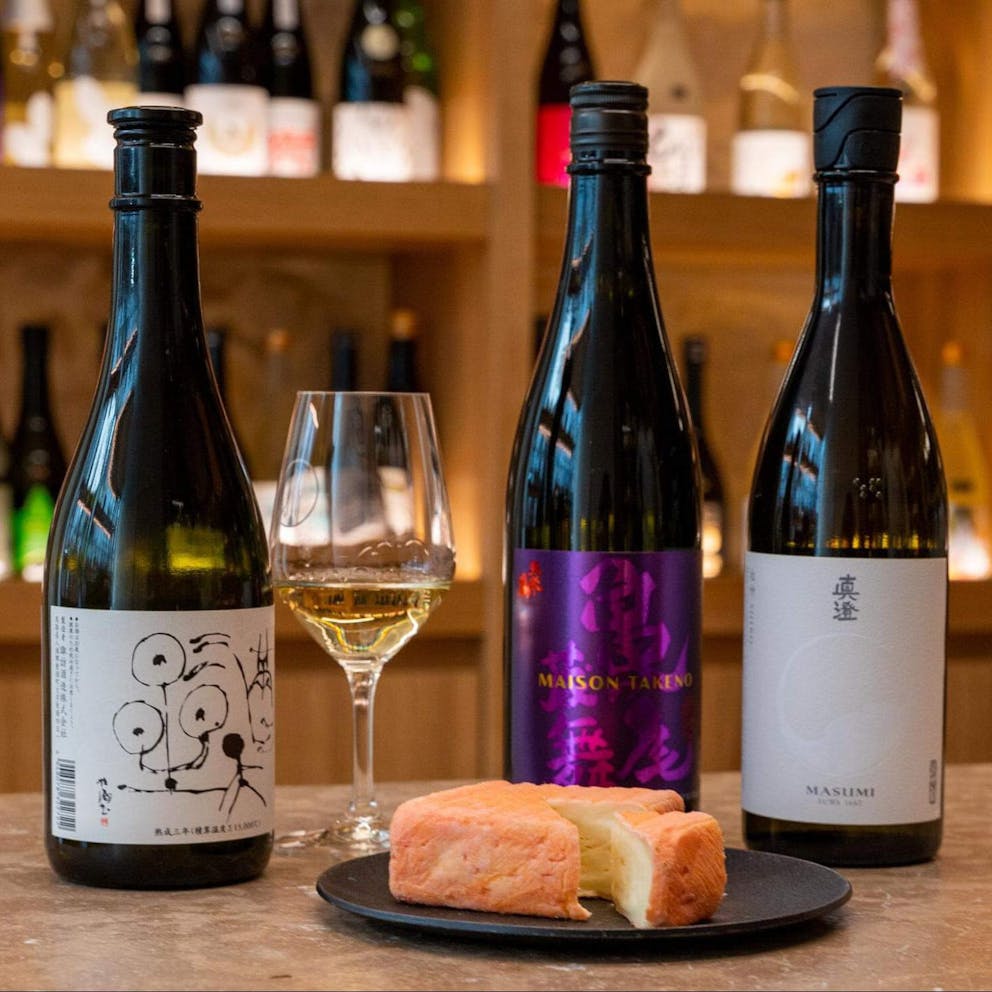
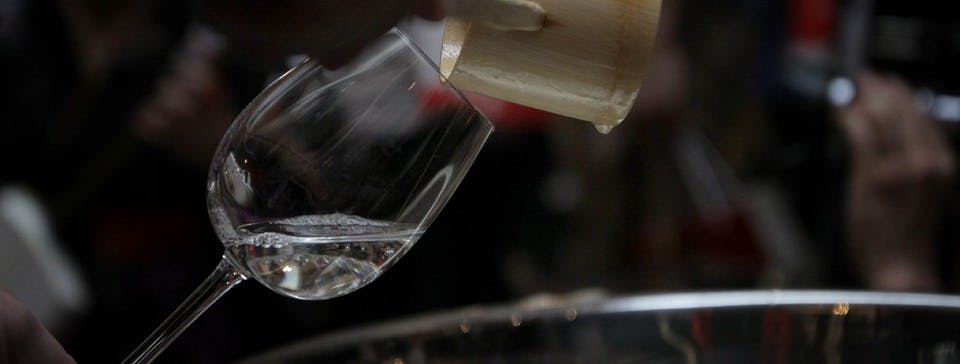
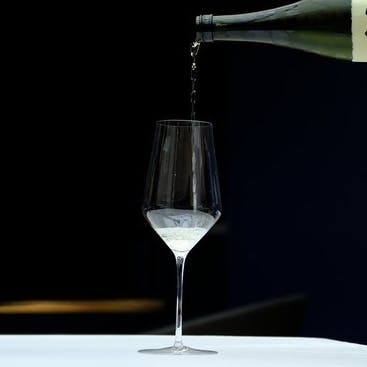
Choosing the vessel is the first crucial step, as it dictates how aromas reach the nose and how the liquid settles on the palate. For Modern Sake, rich in volatile esters evoking apple or melon, a classic wine glass is an essential ally. Its wide bowl provides the necessary space for floral scents to fully unfurl. In contrast, Vintage Sakes require more restraint: a tulip glass, with its slightly tapered rim, captures the dense aromas of the Maillard reaction—such as caramel, nuts, or dried fruits—while guiding the nectar toward the center of the tongue to appreciate its creamy texture.
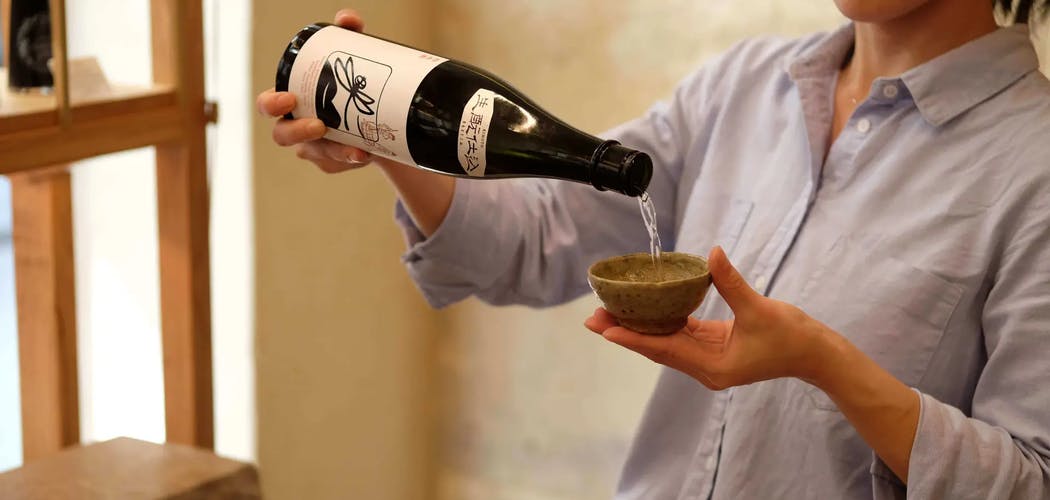
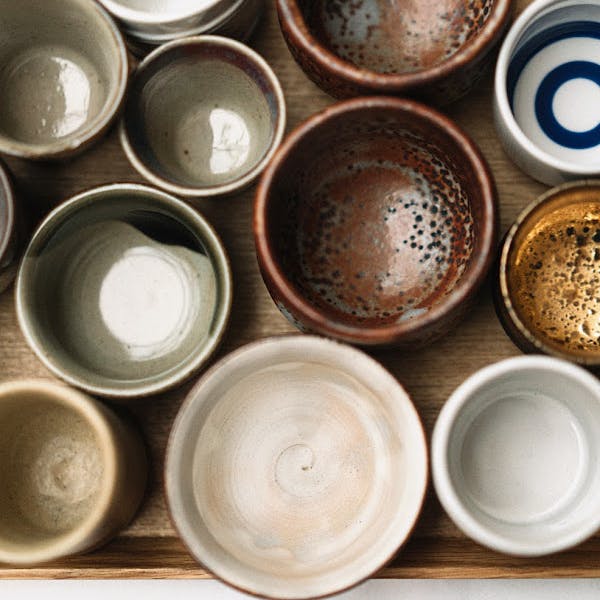
For styles deeply rooted in tradition, ancestral materials are favored. The Sakazuki—a flat, flared saucer made of lacquer or fine ceramic—is the perfect setting for "Water-type" traditional sakes. Its shape encourages rapid alcohol evaporation, leaving only the clarity, minerality, and absolute lightness of the spring water on the palate. Finally, for "Rice-type" traditional sakes, the Ochoko or Guinomi is preferred. These small ceramic or stoneware cups, with their characteristic thickness, retain heat and emphasize the dense, cereal-like texture of the grain. This creates an essential tactile experience for appreciating the sake's body, whether served warm or at room temperature.
- Modern: Classic Wine Glass(Allows fruity esters to fully blossom)
- Vintage : Tulip Glass (Concentrates roasted notes and Maillard aromas)
- Traditional "Water" : Sakazuki (Highlights purity; allows alcohol to fade, leaving only minerality)
- Traditionnel "Rice" : Ochoko ou Guinomi (Emphasizes body, texture, and thermal retention).
Temperature and Service: The Cursor of Life
Sake possesses a thermal plasticity unique in the world. Serving sake at 10°C versus 45°C is not merely a matter of comfort; it is a stylistic choice. Modern Sakes and "Water-type" styles flourish in coolness (8-12°C). The cold tightens the structure of the beverage and highlights its vividness. Conversely, for "Rice-type" traditional sakes, heat becomes a powerful revelator. As the temperature rises (around 40-50°C), Umami molecules expand, the natural sweetness of the rice becomes more enveloping, and the alcohol melts into the body of the sake. For "Nature" or "Vintage" styles, room temperature (15-20°C) is often preferred—a point of equilibrium where organic complexity is neither masked by cold nor distorted by heat.
Regarding quantity, sake demands moderation. Small pours (6 to 9 cl) are favored. This approach maintains the ideal temperature in the glass—as sake’s profile shifts rapidly as it warms—and encourages a slow tasting experience, akin to that of a fine tea.
- Chilled (8-12°C): Modern and "Water" Styles (Freshness and tension)
- Room Temperature (15-20°C): Nature and Vintage Styles (Balance and organic complexity).
- Warm (40-50°C): Traditional "Rice" Styles (Explosion of Umami and roundness).
Moments of Consumption: A Unique Temporality
Sake is not confined solely to the heart of the dinner.
- The Aperitif: Modern or "Water" styles are perfect for awakening the palate with their inviting bouquet. They can even be enjoyed over ice (especially undiluted Genshu styles) or in cocktails, where a "Water" style can replace Vermouth in a Martini to create a silkier texture.
- The Meal: This is the moment for "Rice" traditional and "Nature" styles, which are capable of engaging in a dialogue with complex flavors.
- Meditation: The Vintage (Koshu) is savored at the end of the evening, offering a rich, amber, and soothing conclusion.
Gastronomic Alchemy: Why Sake is Unbeatable
Sake possesses a superior "pairing intelligence" because it works through fusion and amplification. Rich in amino acids—up to ten times more than wine—it reinforces fundamental flavors through the magic of Umami.
The Fusion of Umami
Umami (the "savory" taste) creates a powerful multiplier effect. When paired with aged meats or game, a lukewarm "Rice-type" Traditional sake embraces the iron-rich notes of the dish. The fats melt under the warmth, while the amino acids from the rice "fill" the palate. With aged cheeses (such as 24-month Comté or Mimolette), a Vintage sake creates a fusion where the cheese seems to dissolve seamlessly into the liquid.
Taming the Green and the "Impossible"
Sake triumphs where wine surrenders. Asparagus, artichoke, and leek contain compounds that turn wine metallic; sake, being tannin-free, envelops them with gentleness. On raw vegetables like radish or cucumber, the "Water" style acts as a mineral dew. The egg, whose sulfur often clashes with wine, finds an ideal lactic partner in the "Nature" style (echoing notes of yogurt), creating a silky bridge with an oeuf cocotte or caviar. Finally, the absence of iron in sake guarantees that no "fishy" aftertaste will mar the experience of oysters or shellfish.
"Asparagus, artichoke, egg, or shellfish: Sake succeeds where wine meets its limits."
Global Cuisine, Spices, and Desserts
Sake is the ultimate ally for extreme flavors.
- Thai and Vietnamese Cuisines: The Modern style (Ginjo) echoes notes of lemongrass and Thai basil, while its natural sweetness gently extinguishes the fire of chili.
- Indian Cuisine: For curries, the texture of a "Nature" style (Yamahai) recalls traditional lassi, soothing the heat of spices while elevating their complexity (cumin, turmeric).
- Desserts: The Vintage (Koshu) reigns supreme over dark chocolate, praline, or coffee, thanks to its notes of molasses and roasted aromatics. For rice pudding or coconut desserts, the "Rice" style plays on its genetic kinship, offering total harmony.
- Flavor Enhancer: Umami multiplies the flavors of the ingredients
- Zero Iron: Total purity when paired with fish, caviar, and shellfish.
- Spiced Cuisines: Modern styles soothe the heat; "Nature" styles carry and support warm spices.
- The Kire: This unique ability to "cleanse" the palate between bites, making every sip as crisp and vivid as the first.
You may also like
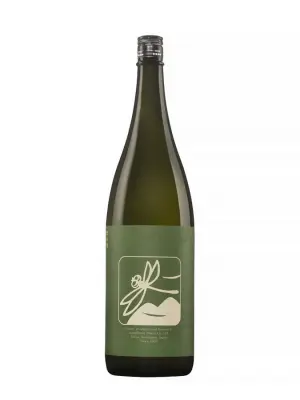
IZUMIBASHI Tonbo Green 15%
59.90 €
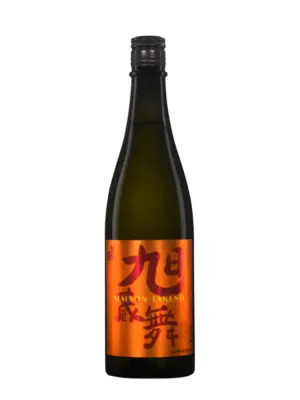
TAKENO Asahi Kurabu 14%
36.90 €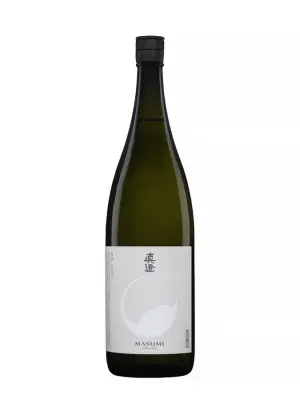
MASUMI SHIRO WHITE 12%
54.90 €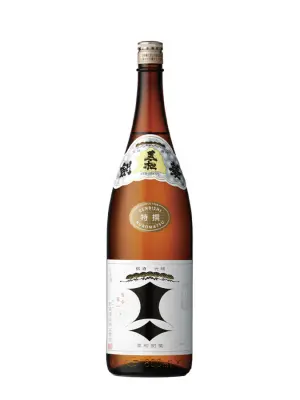
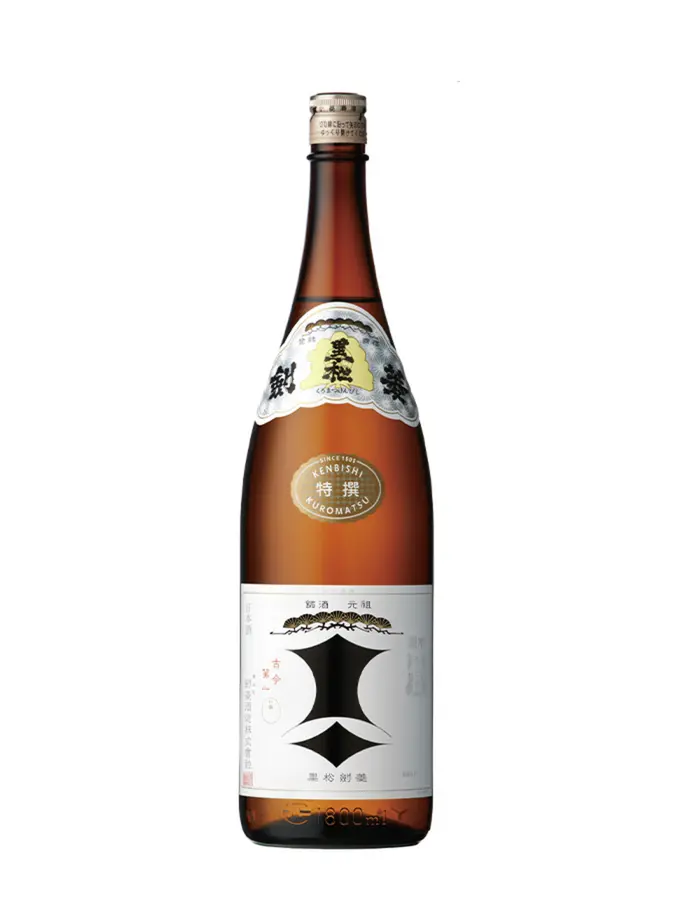
KENBISHI Kuromatsu 17%
48.90 €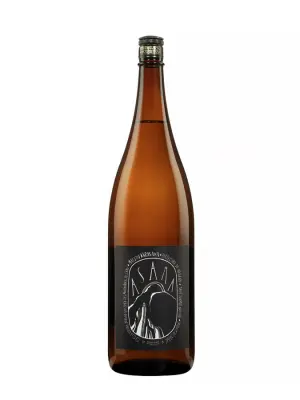
ASAMA Nature 16.5%
65.90 €
KITAJIMA Natural I 18.2%
57.90 €