Sake in Summer: How to Enjoy It
Published on July 6, 2026
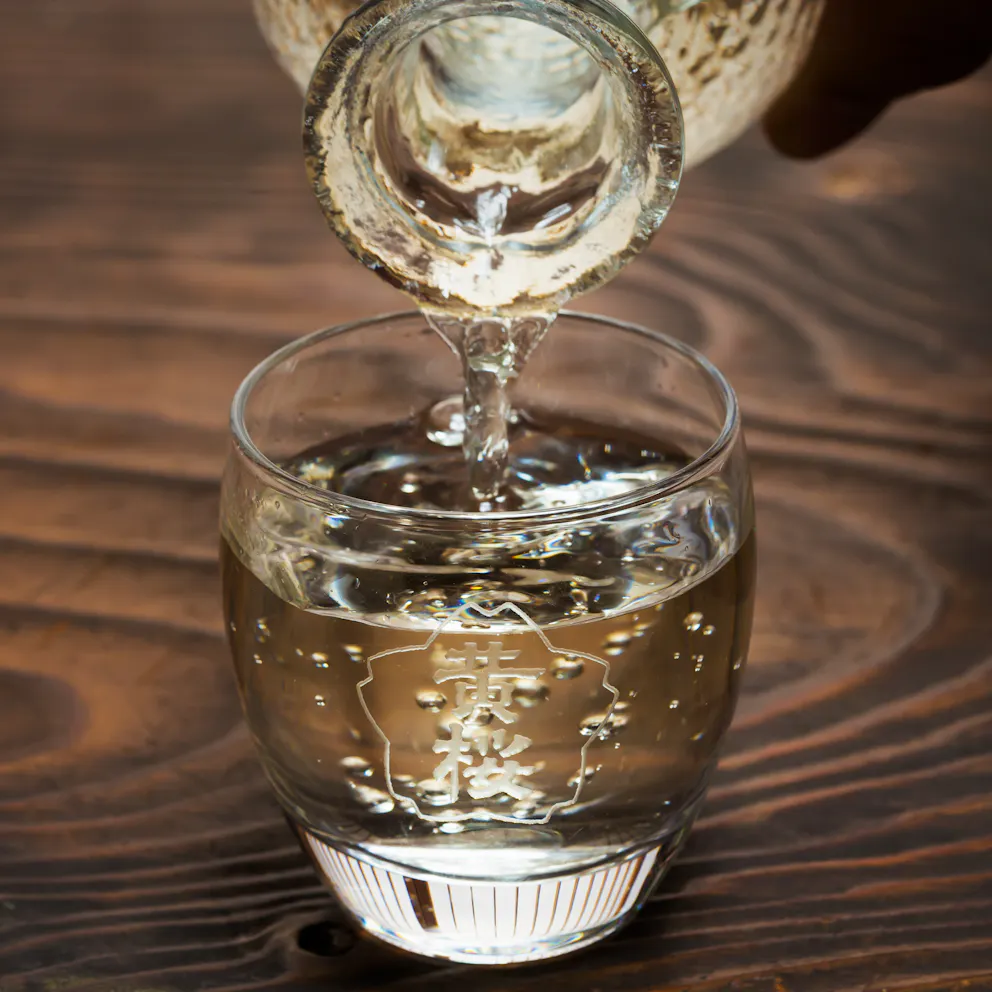
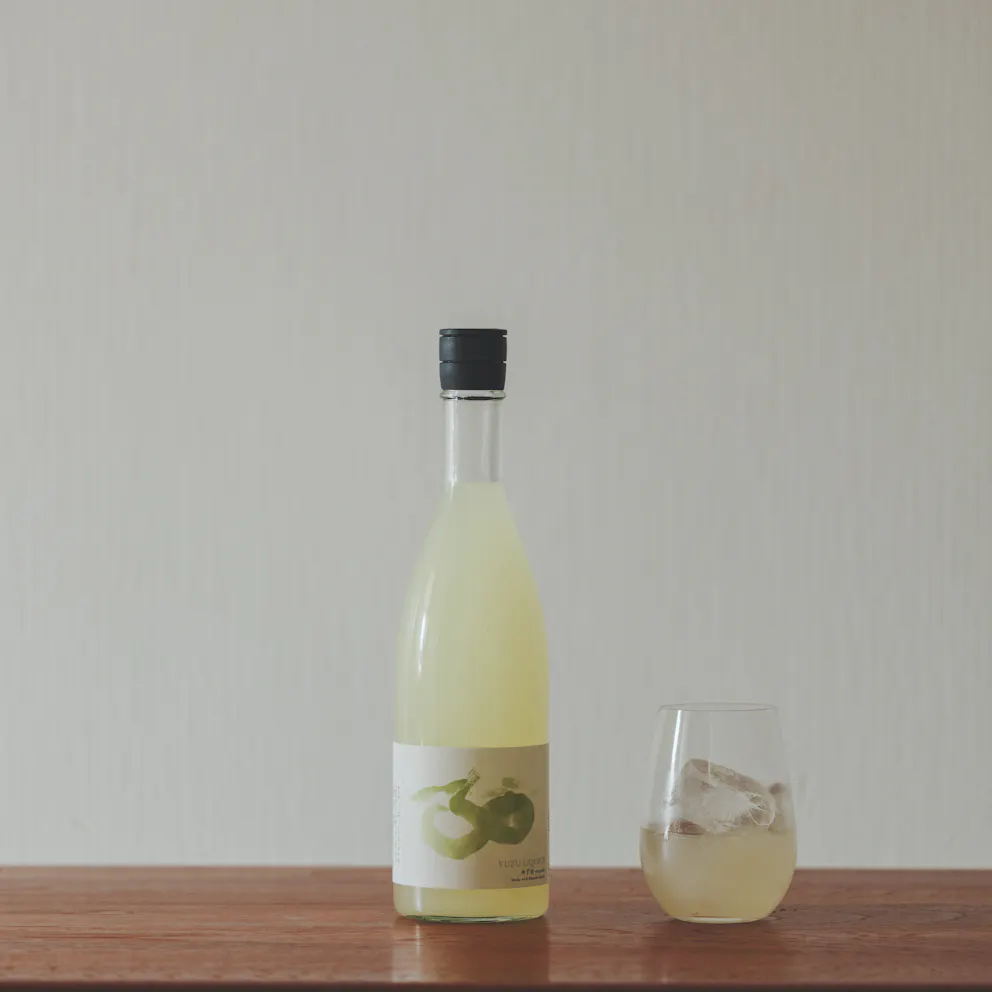
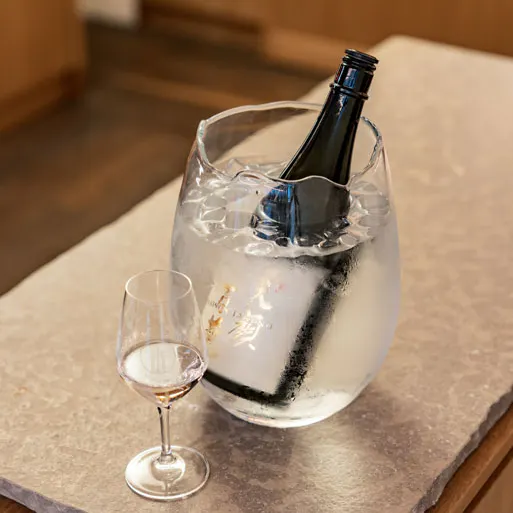
Saké on the rocks, mizore-zaké, affogato
3 ideas to try out this summer
When we think of Japanese sake, we often imagine it served in a small glass, at room temperature or slightly warmed. Yet sake is a much more versatile drink than many people think. It can be enjoyed chilled, on the rocks, in a frozen texture, or even as a dessert.
In summer, when the days get warmer and aperitif moments last longer, sake reveals another side of itself: lighter, more refreshing, and sometimes even indulgent.
Far from common misconceptions, it adapts very well to simple and convivial moments, as long as it is served in the right way.
Have you been told that this is taboo? And yet… sake on the rocks or in a dessert can be simply delicious. This summer, let’s forget conventions and discover sake differently.
Here are three unexpected ideas to try without delay.
1. Sake on the Rocks: Refreshment in All Simplicity
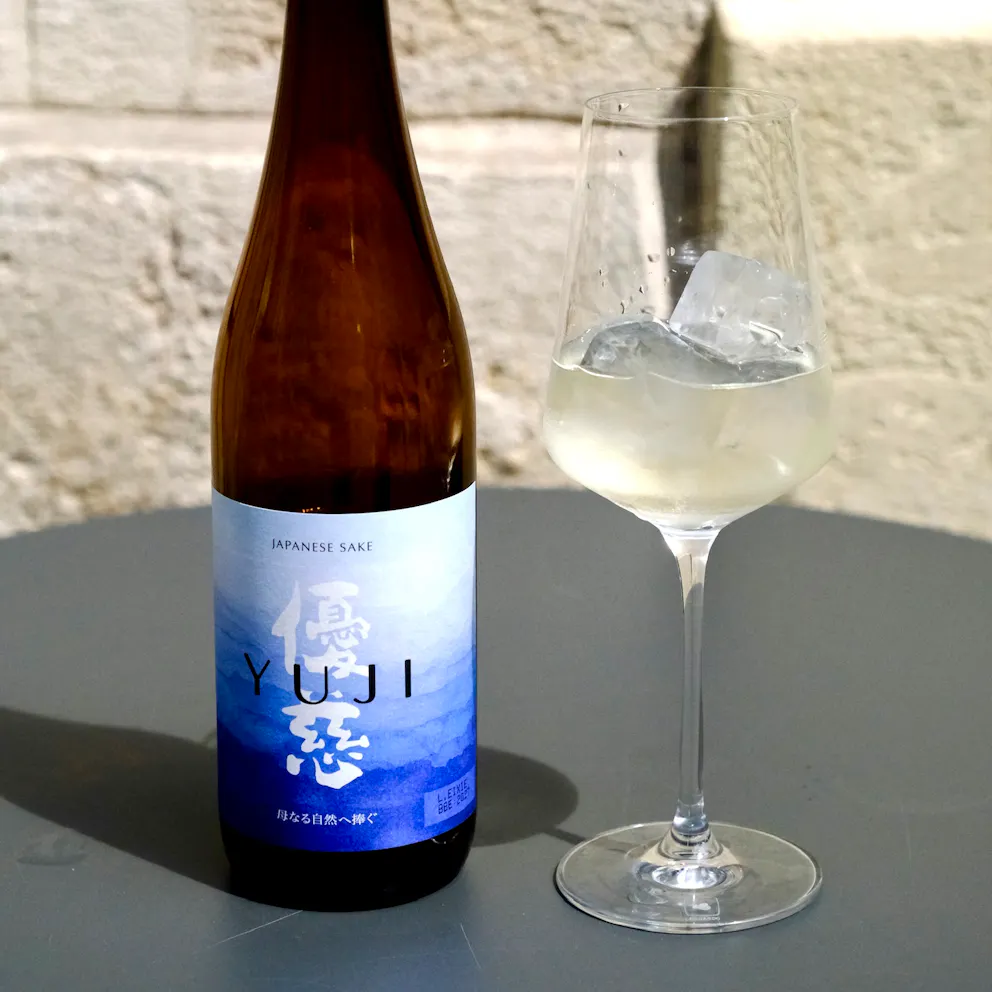
Serving sake with ice cubes may come as a surprise, especially if sake is still associated with traditional tasting. Yet in summer, sake on the rocks is a simple, modern, and very pleasant way to discover it.
Simply add a few ice cubes to a glass, then pour well-chilled sake over them. The ice brings an immediate sensation of freshness and makes the tasting experience lighter. It is an ideal option for an aperitif, on a terrace, or simply to enjoy a relaxing moment when the weather is hot.
This way of serving sake also makes it more approachable. The ice slightly softens the texture and highlights an impression of freshness. Sakes with fruity, floral, or slightly sweet notes are particularly well suited to this style of tasting.
A few ice cubes, a simple glass, and well-chilled sake: that is all you need to enjoy sake differently.
2. Mizore-zake: Sake in a Frozen Version
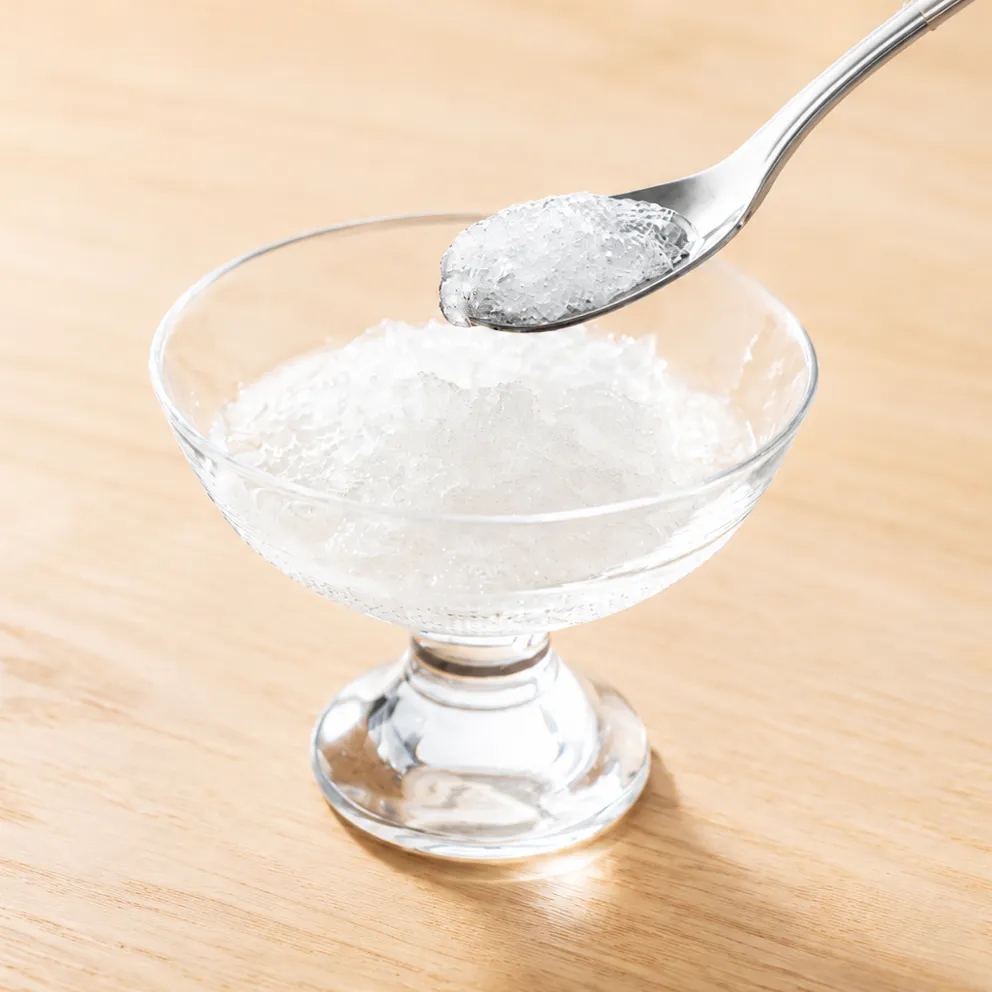
Mizore-zake is a more original and visual way to enjoy sake. Its name evokes a texture close to melting snow or granita. The principle is simple: the sake is lightly frozen until it reaches a semi-frozen texture.
On the palate, the effect is very refreshing. The sake becomes lighter and almost frosty, while still preserving its aromas. It is a perfect tasting experience for summer, especially if you want to offer your guests something different.
To prepare it, place the bottle or a small amount of sake in the freezer for a limited time. The goal is not to obtain a block of ice, but a soft, semi-frozen texture to be served quickly in a well-chilled glass.
Mizore-zake is particularly interesting with fresh, light, or aromatic sakes. It brings a playful and elegant touch, somewhere between a drink and a granita, ideal for surprising people without making the tasting experience complicated.
3. Sake Affogato: A Gourmet and Unexpected Touch
Sake can also be enjoyed as a dessert. Sake affogato is inspired by the famous Italian dessert, in which hot espresso is traditionally poured over vanilla ice cream. Here, the coffee is replaced by a small drizzle of slightly warmed sake.
The contrast between the cold ice cream and the warm sake creates a very pleasant sensation. The warmth awakens the aromas of the sake, while the ice cream brings sweetness and creaminess. The result is simple, indulgent, and surprising.
This idea works very well with vanilla ice cream, but also with more delicate flavors such as milk, rice, pear, or matcha. The sake adds a subtle aromatic note without making the dessert heavy.
For an easy version, serve a scoop of ice cream in a bowl or glass, then gently pour a small drizzle of warm sake over it. It is an original way to finish a summer meal while discovering another side of Japanese sake.

Discovering Sake Differently
Sake is often surrounded by rules, traditions, and preconceived ideas. Yet it is also a very flexible drink, one that can adapt to the seasons, different moments of consumption, and everyone’s individual tastes.
In summer, it lends itself particularly well to fresh and light tasting experiences. On the rocks, in a semi-frozen version, or paired with a dessert, it invites us to step away from our usual habits and explore new sensations.
Playing with temperatures, textures, and pairings allows us to rediscover its aromas from a different angle. A fruity sake can gain freshness with a few ice cubes, a light sake can become almost airy in a mizore-zake version, while a rounder sake can bring a lovely sweetness to a dessert.
The most important thing is to choose a suitable sake, stay curious, and above all, enjoy yourself. After all, the best way to enjoy sake may be the one you have not tried yet.
Summer Sake Selection
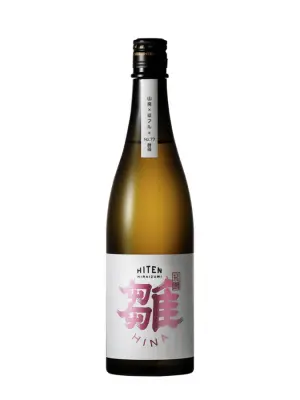
HITEN Hina 12%
34.90 €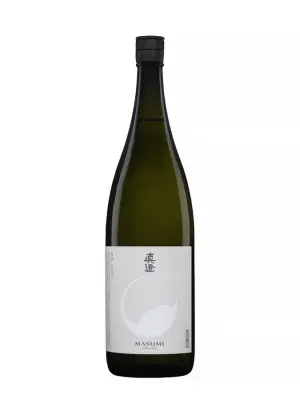
MASUMI SHIRO WHITE 12%
54.90 €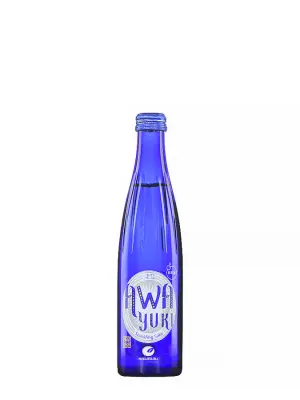
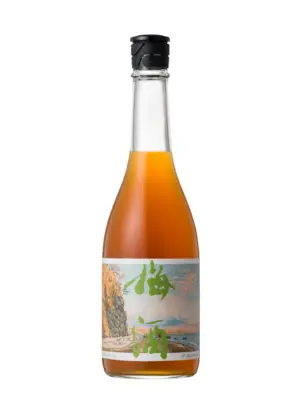
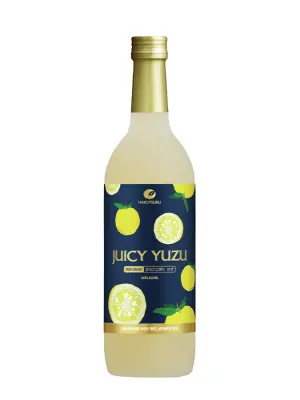
HAKUTSURU Yuzu 9.5%
24.90 €