Sake Production
Published on February 18, 2026
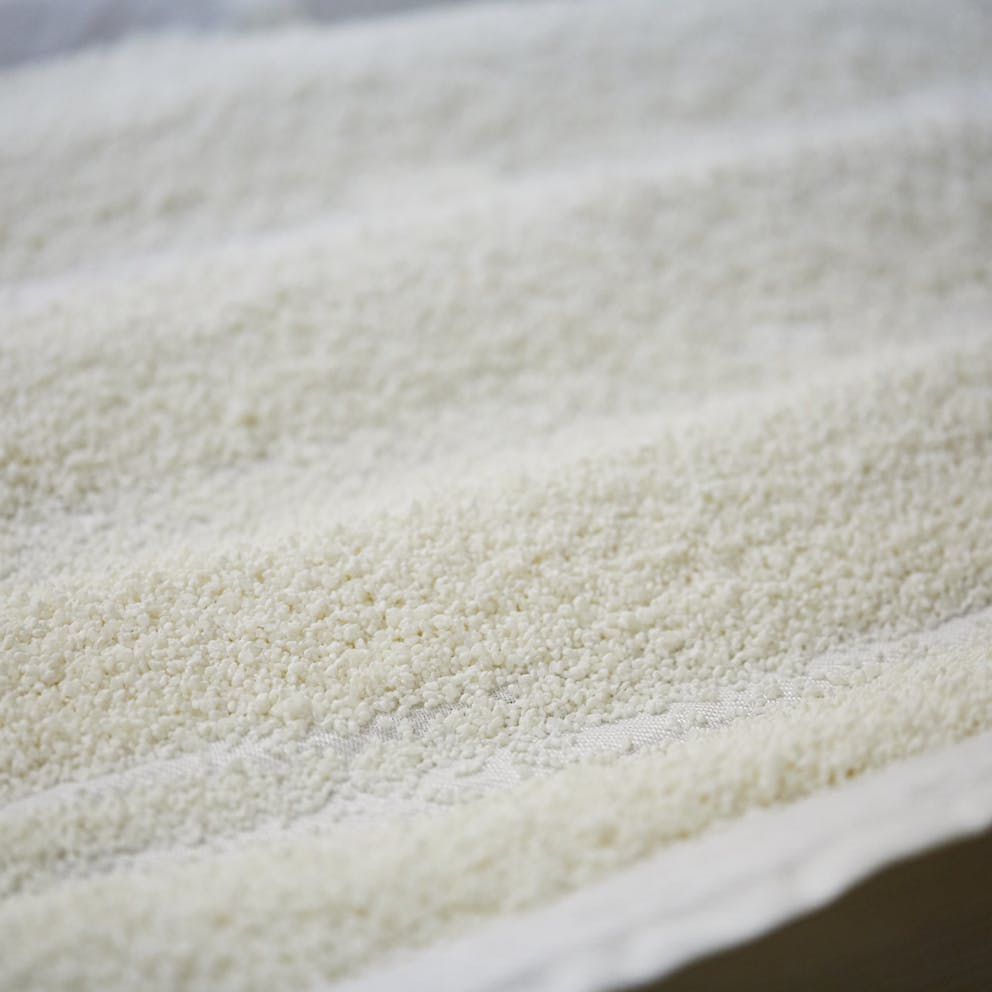
Rice: The Foundation of Sake
Sake is crafted from a special type of rice known as shuzō kōtekimai (sake rice), which differs from regular table rice. Cultivated for its high starch content and a structure ideal for fermentation, there are over 150 varieties grown across Japan.
While often compared to wine for its aromatic complexity and rich flavor, its production process is more similar to that of beer
The Japanese Sake Brewing Process
Japanese sake, or nihonshu, is a fermented beverage crafted from rice, water, koji, and yeast. While often compared to wine for its aromatic complexity and rich flavor profile, its production process is more similar to that of beer: in both cases, the starch in the grains must first be converted into sugars before being fermented into alcohol.
The major difference lies in the sophistication of the Japanese method, where the conversion of starch into sugar and the alcoholic fermentation occur simultaneously. This unique phenomenon, known as multiple parallel fermentation, is a fundamental principle that gives sake an aromatic depth and texture unmatched by any other fermented beverage.
“Sake production relies on a precise balance between technique, raw materials, and human mastery. Every step, from the selection of the rice to the fermentation, shapes the final character of the sake.”
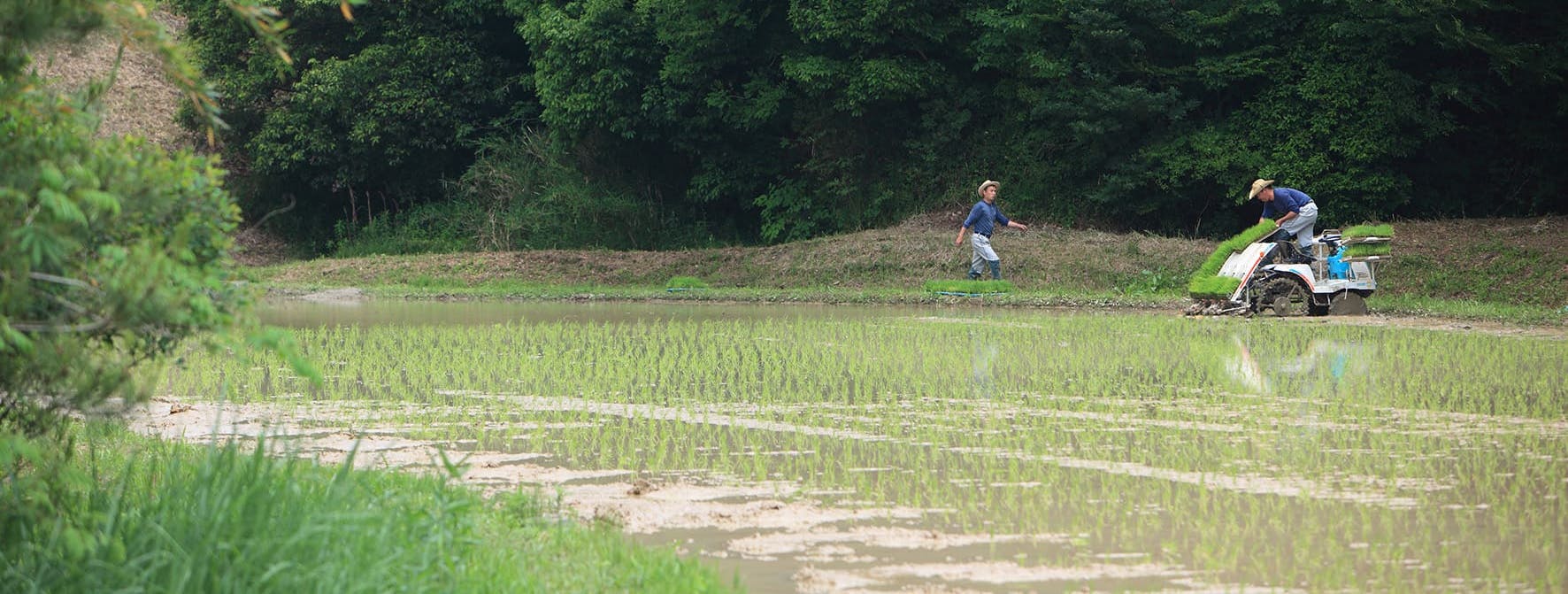
1. Rice: The Foundation of Sake
Sake is crafted from a specific type of rice called shuzō kōtekimai (sake rice), which is distinct from regular table rice. Cultivated for its high starch content and a structure ideal for fermentation, there are over 150 varieties in Japan. Among the most famous are Yamada Nishiki, Gohyakumangoku, Miyama Nishiki, and Omachi. Before fermentation, the rice is polished to remove the outer layers rich in proteins and lipids.
The rice polishing ratio (seimaibuai) represents the percentage of the grain remaining and significantly influences the sake's style. Higher polishing (a lower ratio) generally results in a more refined and aromatic profile, while lighter polishing produces sakes that are more structured and rich in umami. Therefore, the polishing ratio is not a measure of absolute quality, but rather a stylistic choice. After this stage, the rice is washed, soaked, and steamed to prepare the starch for fermentation.
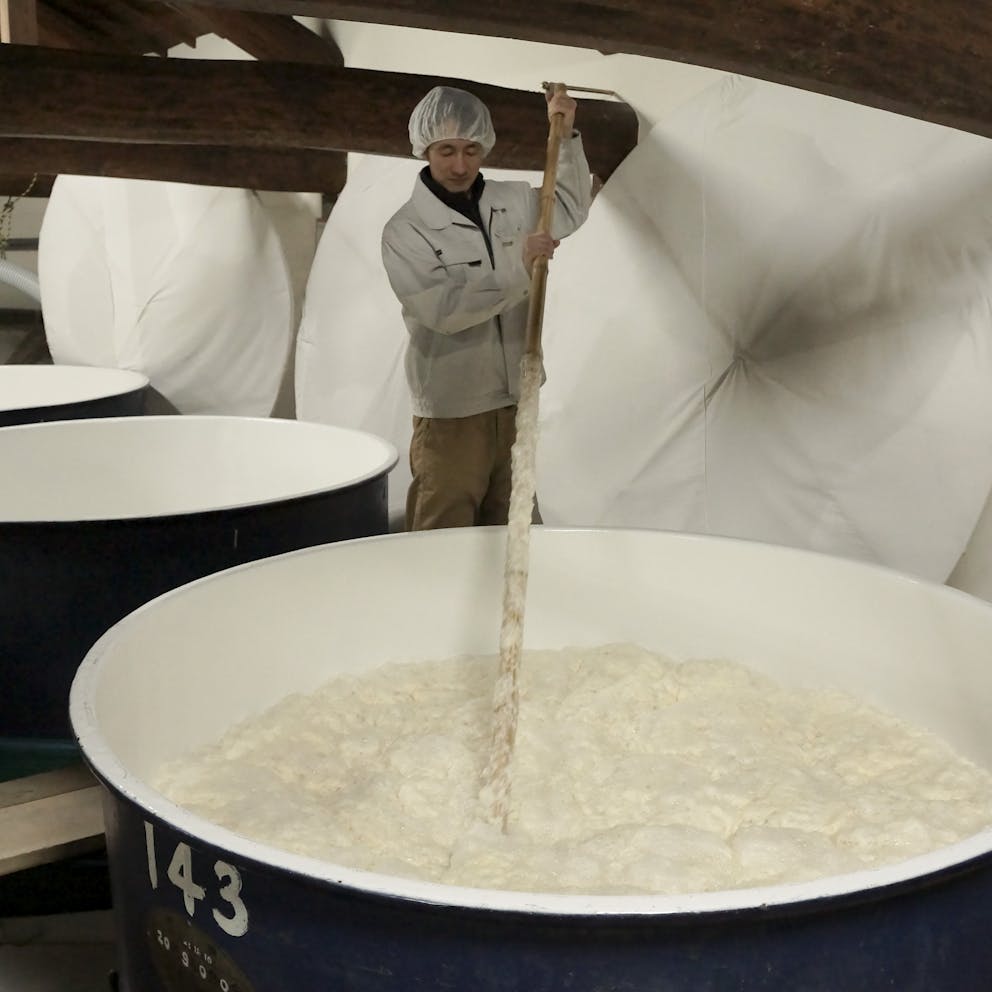
Main Fermentation: The Moromi
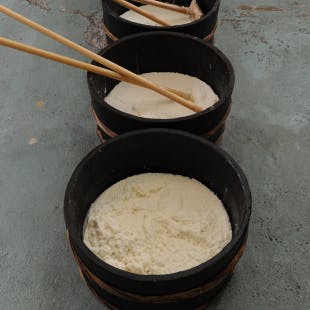
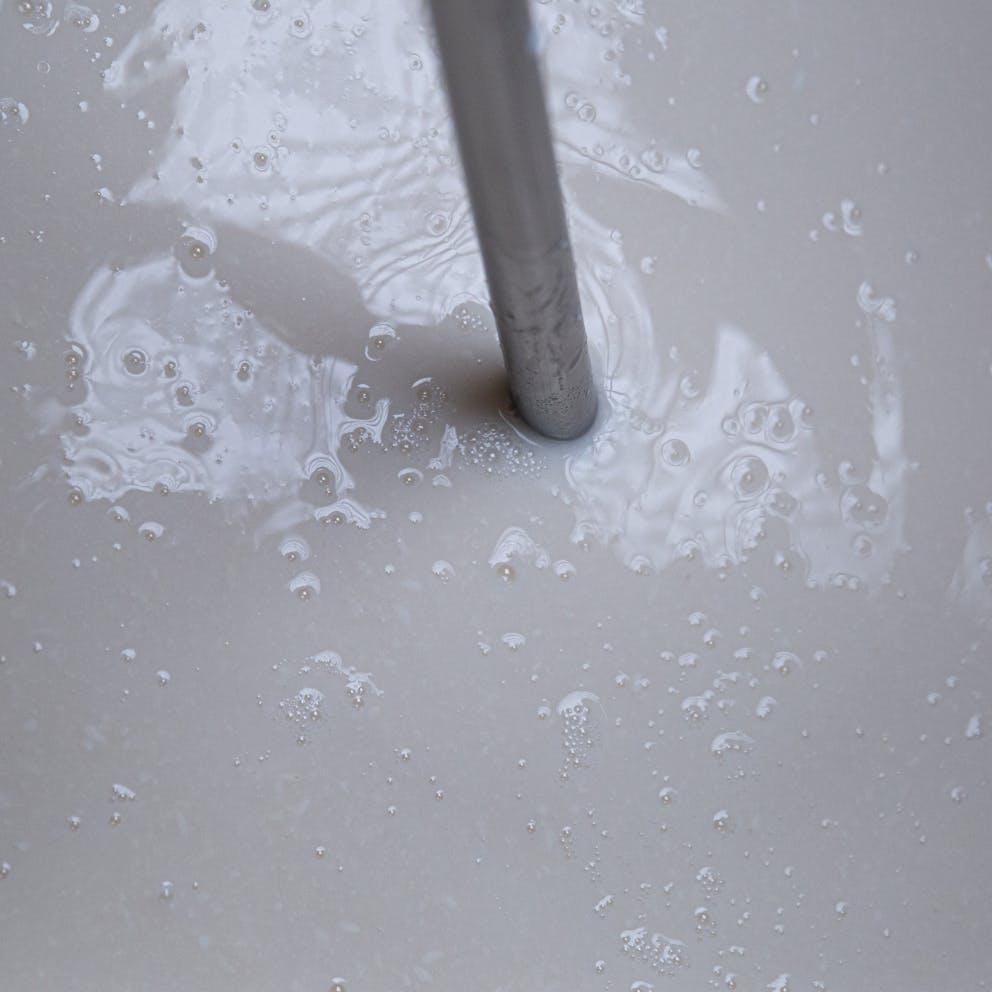
La fermentation principale, appelée moromi, se déroule en trois ajouts successifs. Elle repose sur le principe de la fermentation multiple parallèle, où la transformation de l’amidon en sucres et la production d’alcool ont lieu simultanément.
2. The Vital Role of Koji
Koji is rice inoculated with the mold Aspergillus oryzae, an essential element in sake production. Through its enzymes, it converts starch into fermentable sugars and breaks down a portion of proteins into amino acids. These compounds contribute to the sake's structure, texture, and the presence of umami. The cultivation of koji takes approximately 48 hours in a warm, humid room called a koji muro. The steamed rice is seeded with spores, then regularly mixed and monitored. Precise control of temperature and humidity is a determining factor for the final quality of the sake.
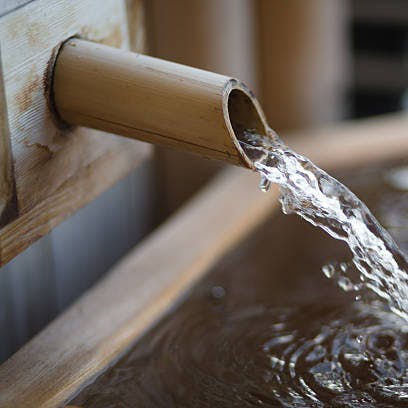
3. The Importance of Water
Water accounts for approximately 80% of the final sake. Its purity and mineral composition directly influence the sake's style. Soft water tends to produce smoother, more elegant sakes, whereas mineral-rich water stimulates fermentation, resulting in a drier profile. In Nada, for example, the naturally harder water contributes to sakes with more structure. Breweries also ensure the absence of iron and manganese, as these elements can alter both the taste and color of the sake.
4. The Yeast Starter: Shubo or Moto
Before the main fermentation, the brewer prepares a yeast starter called shubo or moto, consisting of rice, koji, water, and yeast. This starter allows for the development of a stable yeast population and ensures a healthy fermentation process thanks to the presence of lactic acid. Depending on the method used—most notably kimoto or sokujo—this stage lasts approximately 10 to 20 days.
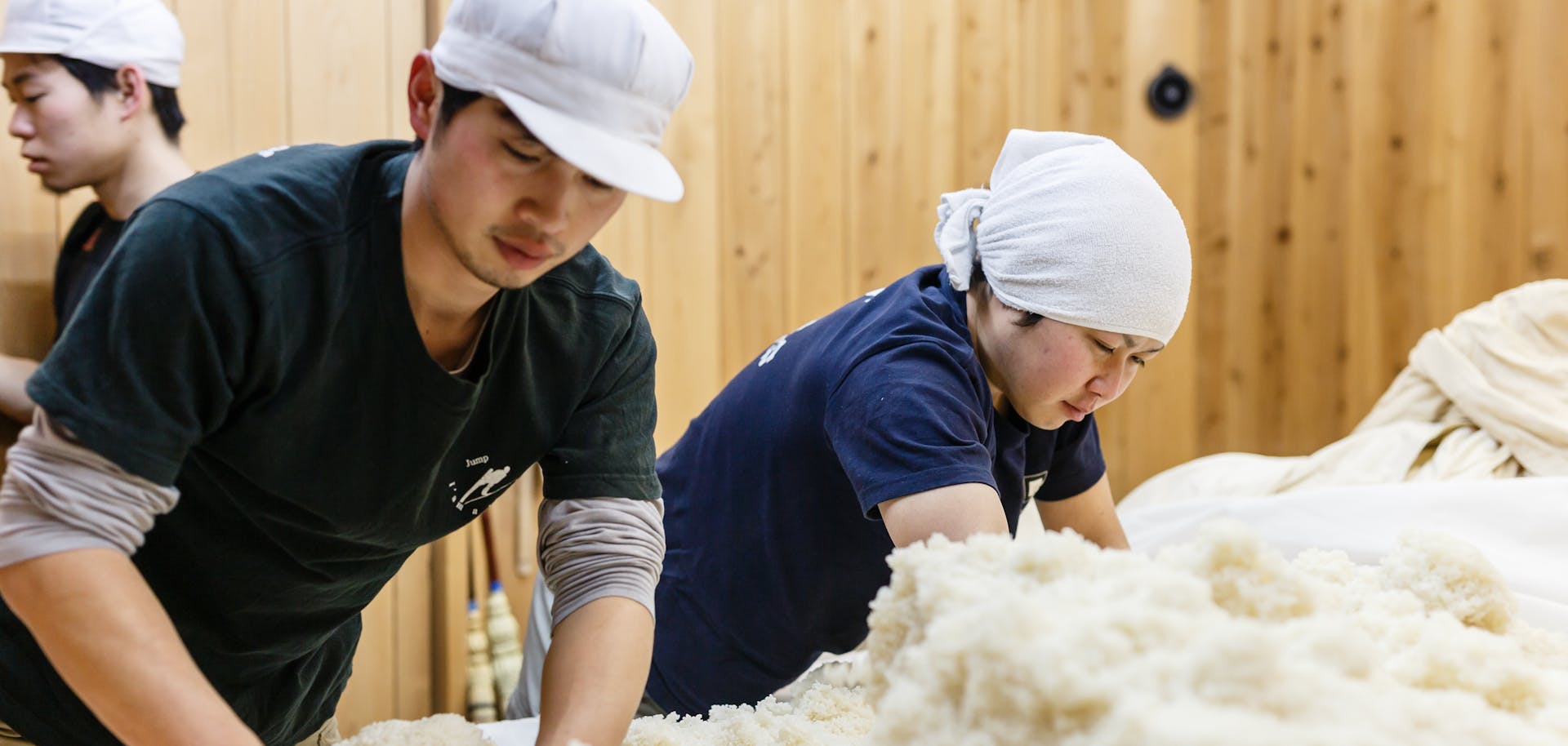
“Behind the rigor of the process lies the expertise of the tōji and their team. It is this combination of precision and intuition that gives each sake its unique identity.”
5. The Role of Yeast
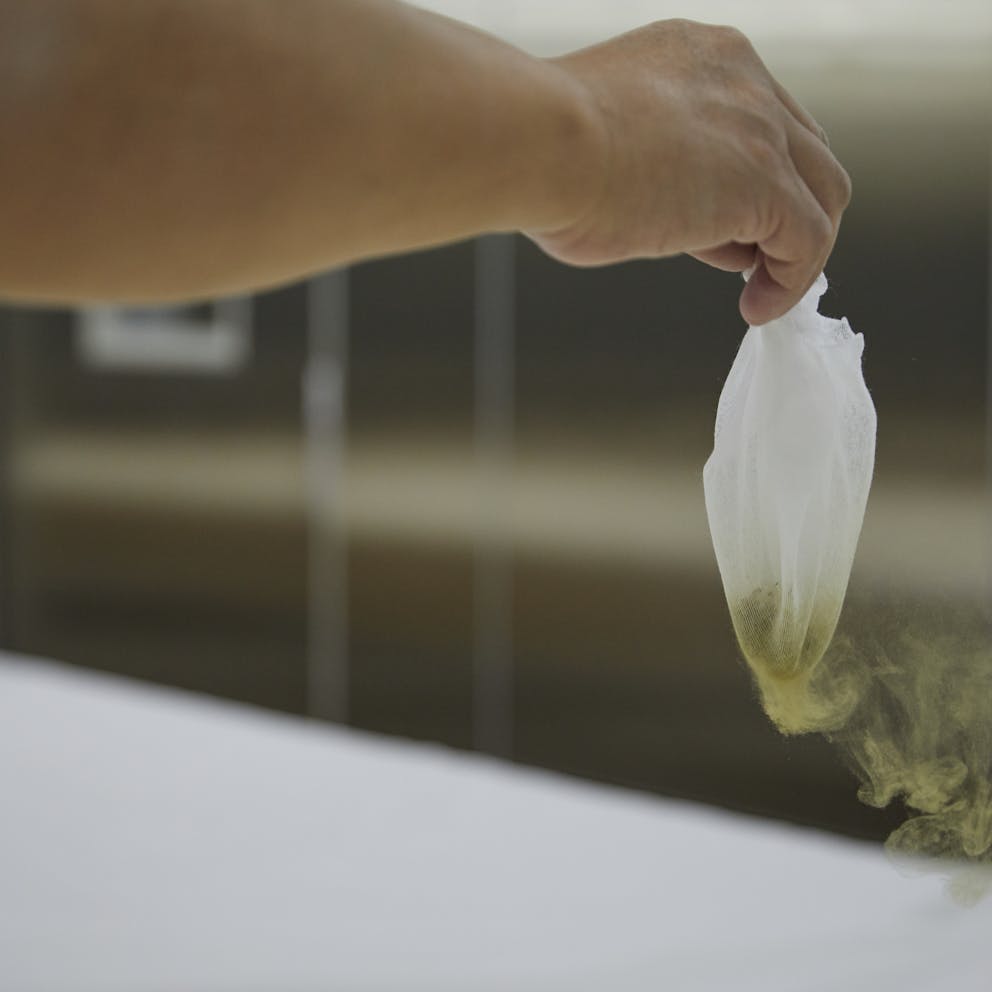
Yeast ensures the conversion of sugars into alcohol, but it also determines the sake’s aromatic profile. Selected by specialized organizations such as the Brewing Society of Japan, these yeast strains produce esters responsible for fruity or floral notes. Each strain influences the aromatic intensity, texture, and overall balance of the sake, depending on the desired style.
6. Main Fermentation: The Moromi
The main fermentation, known as moromi, proceeds through three successive additions. It relies on "multiple parallel fermentation," a process where the conversion of starch into sugar and the production of alcohol occur simultaneously. Unique to sake, this stage lasts approximately 3 to 5 weeks and allows the alcohol content to naturally reach 18% to 20%.
7. Pressing, Filtration, and Aging
At the end of fermentation, the sake is pressed to separate the liquid from the lees (kasu), then filtered and often pasteurized. A resting period of several months allows the flavors to harmonize. Some producers extend this maturation to achieve more evolved and complex profiles.
8. An Alchemy of Nature and Craftsmanship
Sake is simultaneously an agricultural product and a work of craftsmanship. Under the guidance of the tōji (master brewer), each brewery tailors its technical choices to define its unique style. This synergy of technical mastery and human intuition shapes the distinct identity of every sake.
You may also like
MIYAKO Nihonshu Saké 14.5%
15.50 €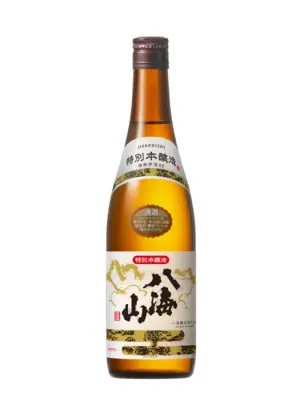
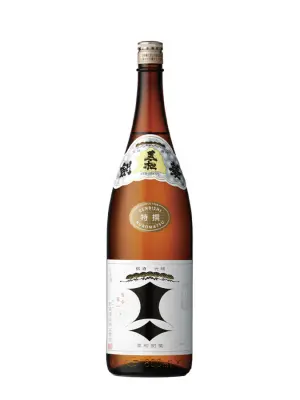
KENBISHI Kuromatsu 17%
48.90 €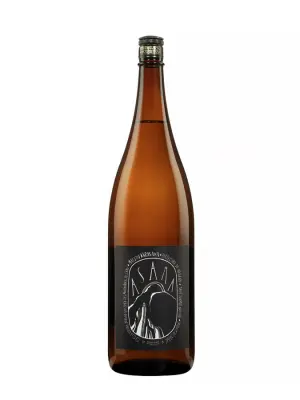
ASAMA Nature 16.5%
65.90 €