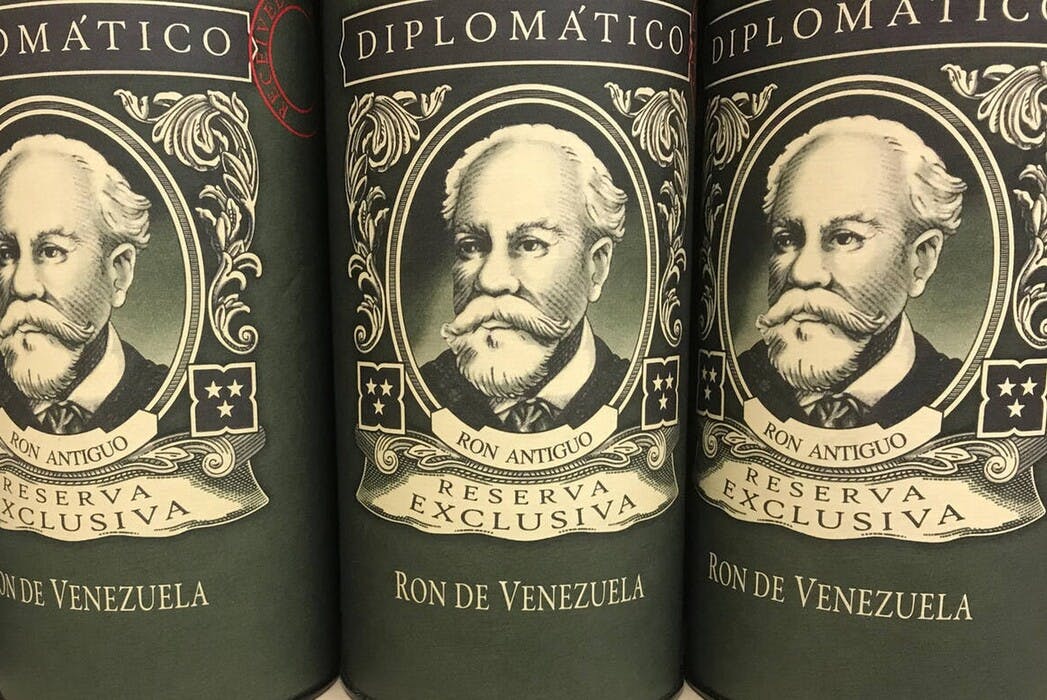
Venezuela is one of the South American countries that has developed its own distinct path in the world of rum, shaping the history of rum in Venezuela.
Its production follows the Hispanic tradition, characterised by the use of molasses and column distillation, but stands out through the adoption of a specific regulation: the Denominación de Origen Controlada Ron de Venezuela, established in 2003. This framework has helped define a style associated with rums aged under tropical climate conditions.
The beginnings of sugar cane and local production
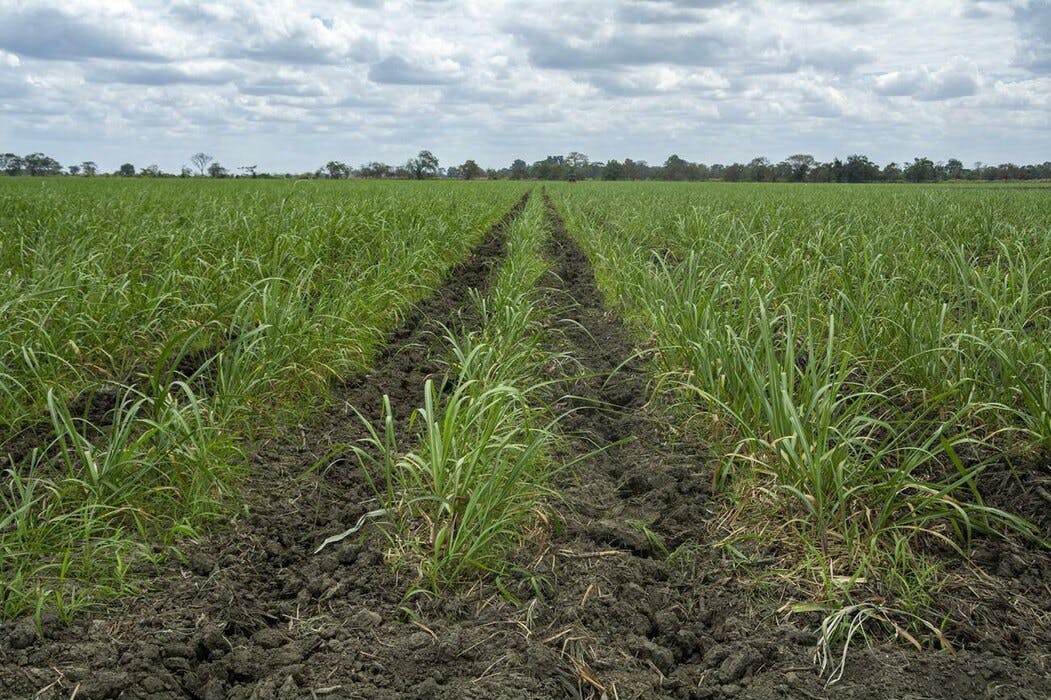
As across the region as a whole, sugarcane cultivation gradually developed in South America after its introduction by the Spanish at the end of the 15th century.
Distillation techniques adopted in the Caribbean later spread to the continental territories, including Venezuela, as the sugar industry became more firmly established.
Molasses became the basis of local production, following a dynamic similar to that observed in neighbouring countries. Distilleries were organised around plantations and sugar refineries, laying the foundations of the modern rum industry.
The Hispanic influence on Venezuelan style
Venezuela follows the so-called Hispanic tradition, often associated with the term ron, which is characterised by:
- the use of molasses as the main raw material;
- column distillation;
- generally lighter aromatic profiles;
- a texture often perceived as smooth.
These production methods place Venezuela alongside other Spanish-speaking countries in South America, while still allowing for the development of specific characteristics, notably shaped by ageing under a tropical climate.
The structuring role of the 19th century
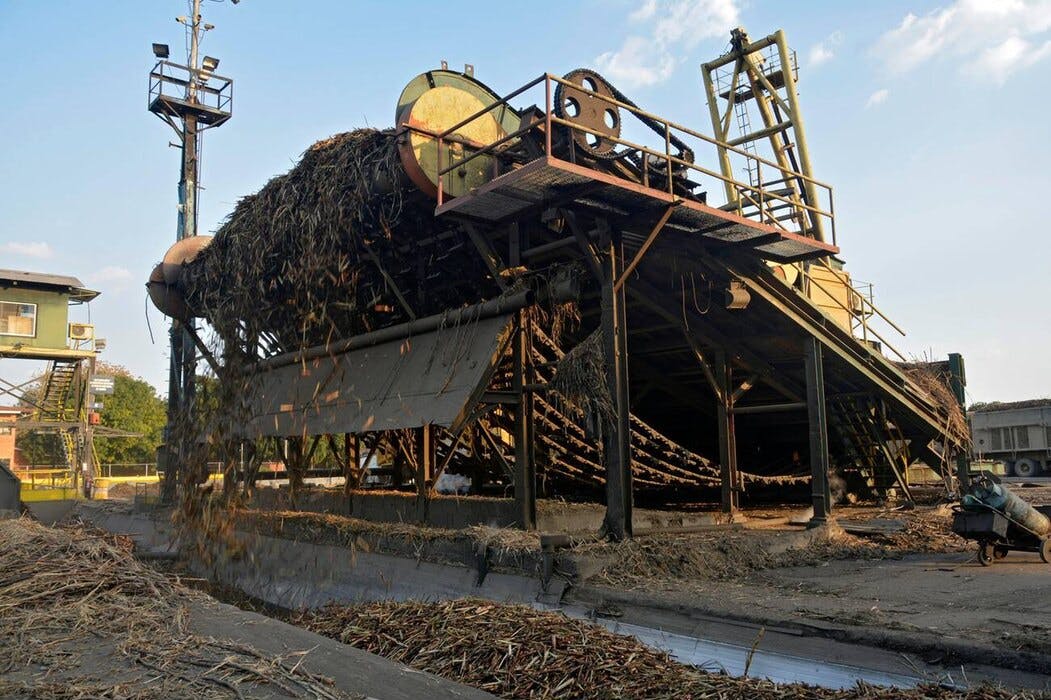
The 19th century marked a decisive stage for many rum-producing countries, including Venezuela. During this period, the sugar industry gained major importance, leading to the widespread use of molasses for distillation.
Distilleries gradually adopted column distillation, a process that ensured more consistent production, capable of meeting growing domestic demand and, later on, export needs. The rise of this technology, combined with extended ageing practices, helped define what would become the distinctive style of Venezuelan rum.
La Denominación de Origen Controlada Ron de Venezuela
In 2003, Venezuela introduced the Denominación de Origen Controlada “Ron de Venezuela”, a geographical indication designed to regulate the use of the term “Ron de Venezuela”. This step represents a key milestone in the history of rum in Venezuela.
This label helps structure and regulate the national industry by providing a shared legal and technical framework for all producers, imposing strict criteria, notably:
- ageing carried out entirely within the national territory;
- a minimum maturation period;
- a set of conditions ensuring geographical origin and product authenticity.
The Denominación de Origen Controlada “Ron de Venezuela” aims to protect the identity and reputation of Venezuelan rum while guaranteeing consumers a consistent level of quality. This certification also seeks to strengthen the competitiveness of Venezuelan rums on international markets by highlighting their connection to terroir and local know-how.
TO DISCOVER RUM FURTHER
La Maison du Whisky has three boutiques in Paris:
In each of these boutiques, you'll find a wide selection of whiskies, rums, sakes, and other fine spirits.
Follow our tasting calendar for upcoming events, or visit the Golden Promise Whisky Bar, which offers an extensive selection of whiskies and other spirits by the glass.
You can also discover the best rum based cocktails.


