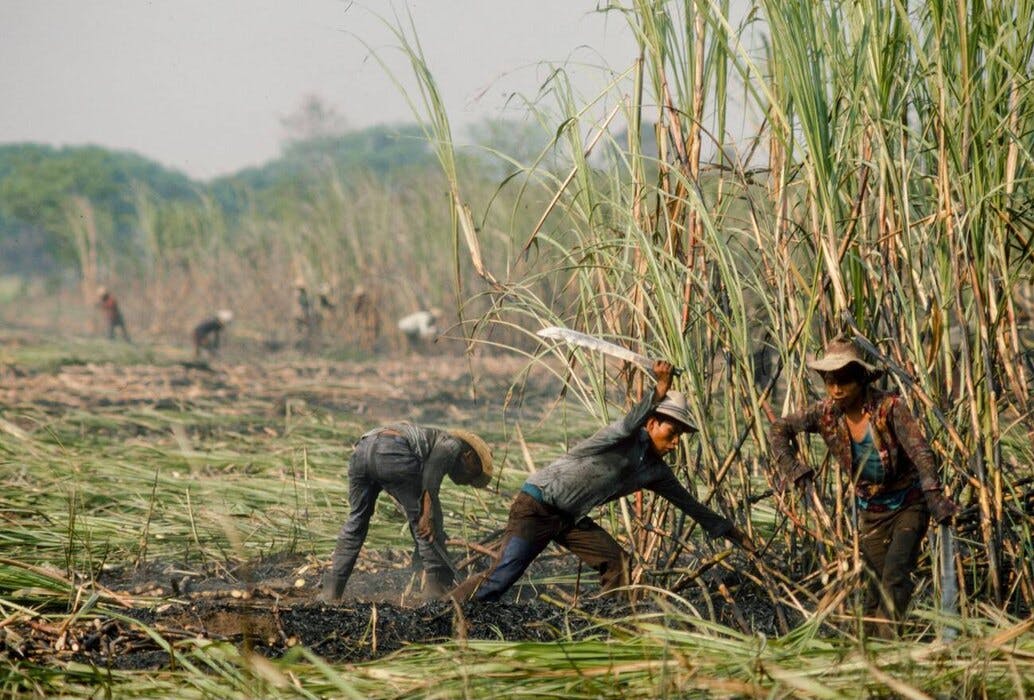
The history of rum in South America is part of a broader dynamic linked to sugarcane cultivation and the rise of sugarcane-based spirits across the Americas. Rum first emerged in the Caribbean in the 17th century, before gradually spreading to the continental territories of South America further south.
Today, countries such as Guyana, Venezuela, Colombia, Peru, Ecuador, and Paraguay produce rum, each shaped by local traditions, natural resources, and historical background.
The beginnings of sugar cane and the emergence of rum in America
Historical sources indicate that sugarcane, originally from Asia, was introduced to the Americas by the Spanish at the end of the 15th century. Sugar production first developed in the Caribbean islands, where the distillation of molasses gave rise to the earliest documented rums.
From the 17th century onward, sugarcane cultivation and distillation techniques gradually spread to the territories of South America, where they became integrated into local economies.
The spread of rum followed trade routes, colonial structures, and sugar-producing settlements. The northern coastal areas of the continent, close to the Caribbean, were among the first to adopt this production, before it expanded more widely depending on the agricultural and political conditions of each country.
Multiple stories in South American rum
Colonial history has shaped the different styles of South American rum, which can be broadly distinguished across three main geographical areas.
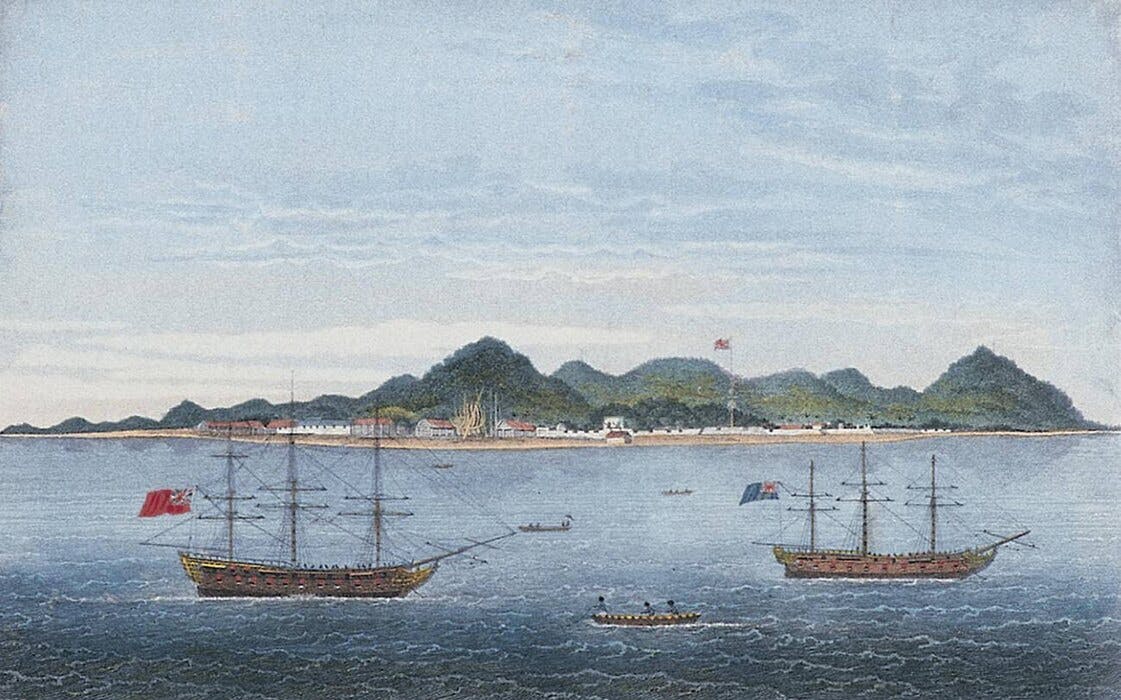
In several Spanish-speaking countries such as Venezuela, Colombia, and Ecuador, rum styles fall within the Hispanic tradition, sometimes referred to as ron. These rums are most often made from molasses and distilled in column stills.
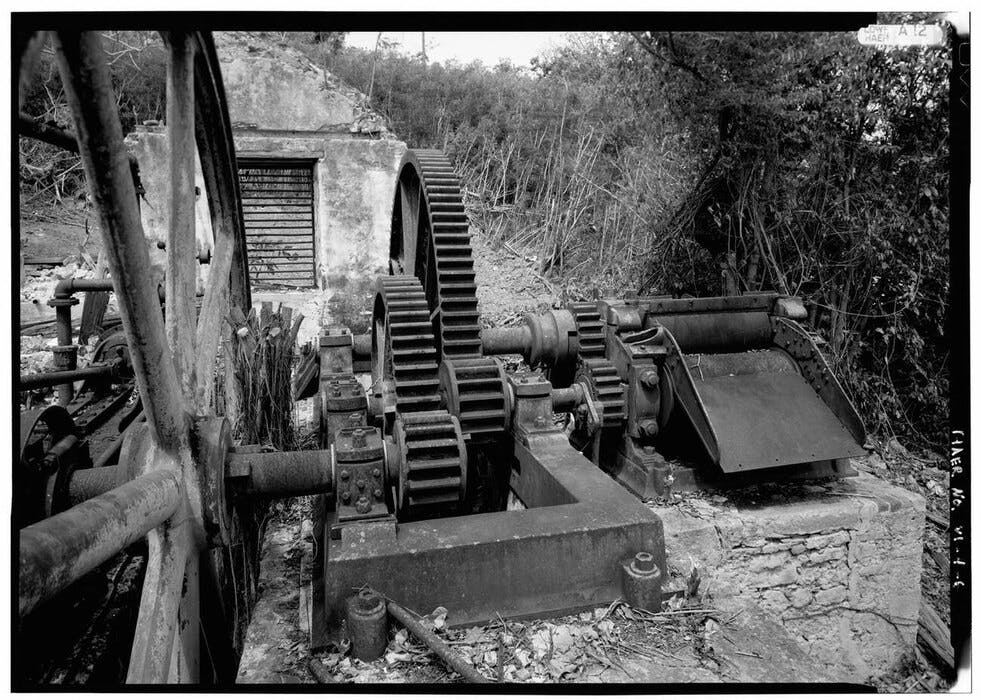
Guyana represents a distinct case linked to British history. The country has retained only a single distillery, which still partly preserves distillation in unique wooden stills, inherited from former distilleries in the Demerara region.
These historic pieces of equipment, such as the Port Mourant or Versailles stills, are responsible for powerful, aromatic rums that were long used in blends exported to the United Kingdom.
Added to this diversity is a mosaic of more local practices, shaped by access to sugarcane, existing distilleries, and chosen ageing methods. This plurality gives South America a rum production that is less homogeneous than might be expected.
The 19th century and the development of the sugar industry
In many Latin American countries, the foundations of modern rum production took shape in the 19th century, a period when the sugar industry gained considerable importance. Molasses, a by-product of sugar production, became the main raw material for rum producers.
Column distillation, gradually adopted by distilleries across the continent, made it possible to achieve more consistent and accessible production. This model, widely established in countries close to the Caribbean, influenced a large share of South American rums.
The resulting style was defined by lighter rums, suited both to local consumption and to export markets.
This industrial evolution did not occur at the same pace everywhere. Some countries retained more traditional infrastructures or more modest production volumes, while others developed large-scale production units integrated into sugar refineries.
A unique technical heritage in Guyana
Among producing countries, Guyana holds a distinct position in the history of rum in South America. The country developed around the Demerara Valley, a region historically linked to sugar production and the export of rum to the United Kingdom.
For a long time, these rums were used in blends intended for the British market, particularly for styles traditionally associated with the Anglo-Saxon world.
Venezuela, production governed by a designation of origin
Venezuela has stood out by adopting a controlled designation of origin. The Denominación de Origen Controlada Ron de Venezuela, created in 2003, regulates the use of the term “Ron de Venezuela” within the country. It notably requires that ageing take place entirely on Venezuelan territory, with a minimum maturation period of two years.
This regulation aims to promote a local tradition based on rums aged under a tropical climate, often perceived as round and accessible. It also reflects a desire to assert a distinct identity within a highly diverse South American rum landscape.
Colombia, Peru and other South American producers
Colombia has a long-standing tradition of sugarcane spirits. While aniseed aguardiente plays a major role, rum is also part of everyday consumption. Its production developed over the centuries alongside the sugar industry, and several regions of the country now produce aged rums.
Other countries such as Peru, Paraguay, Suriname, French Guiana, and Ecuador also produce rum or sugarcane spirits. The available documentation is more uneven, but it confirms the existence of regular production, generally based on molasses distilled in column stills.
French Guiana nevertheless stands out as a notable exception, as it also produces rums made from fresh sugarcane juice, in line with agricultural traditions observed in Martinique and Guadeloupe.
Each country has developed its own specific characteristics, even though links with Caribbean traditions remain very strong.
The contemporary revival of South American rum
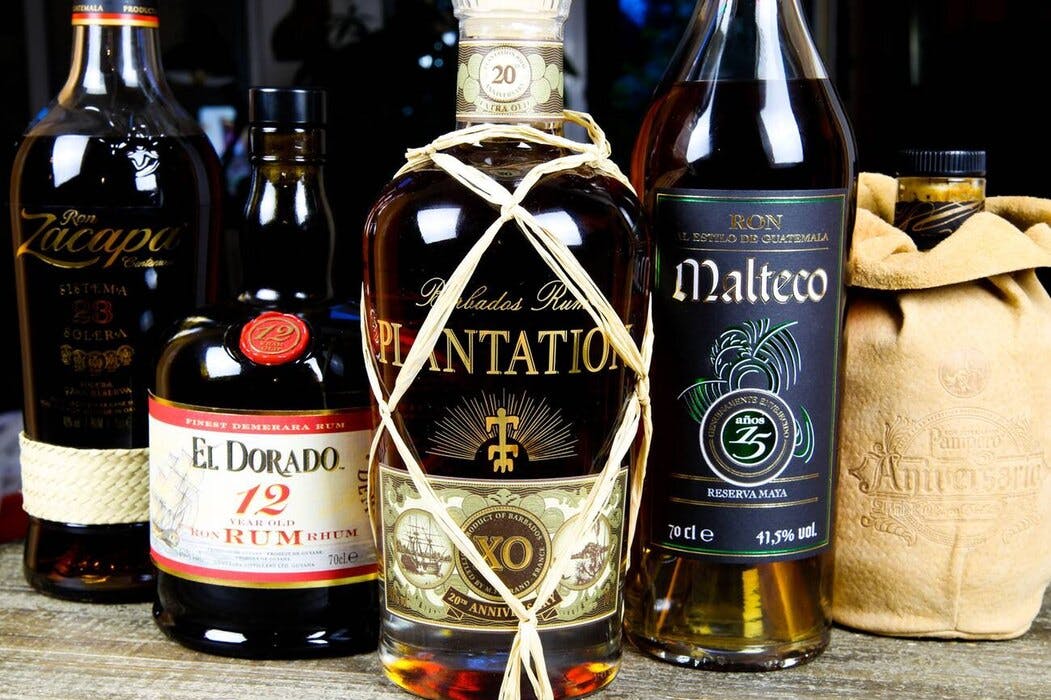
Over the past twenty years, South American rum has attracted growing interest on the international stage. Several factors have contributed to this momentum, including the renewed recognition of Guyana’s historical heritage through the work of Italian bottler Velier, the premiumisation of certain Venezuelan and Colombian distilleries such as Dictador, and the arrival on the market of bottlings focused on specific countries or regions.
Enthusiasts are rediscovering the diversity of terroirs, the richness of tropical ageing, and the industrial heritage of this part of the world.
This renewed attention helps to better position South America within the global rum landscape, alongside the more widely recognised traditions of the Caribbean.
TO DISCOVER RUM FURTHER
La Maison du Whisky has three boutiques in Paris:
In each of these boutiques, you'll find a wide selection of whiskies, rums, sakes, and other fine spirits.
Follow our tasting calendar for upcoming events, or visit the Golden Promise Whisky Bar, which offers an extensive selection of whiskies and other spirits by the glass.
You can also discover the best rum based cocktails.


